ABOUT US
ESG and Sustainability
For Disaster Care, sustainability is not a separate programme.
It is built into the way we work.

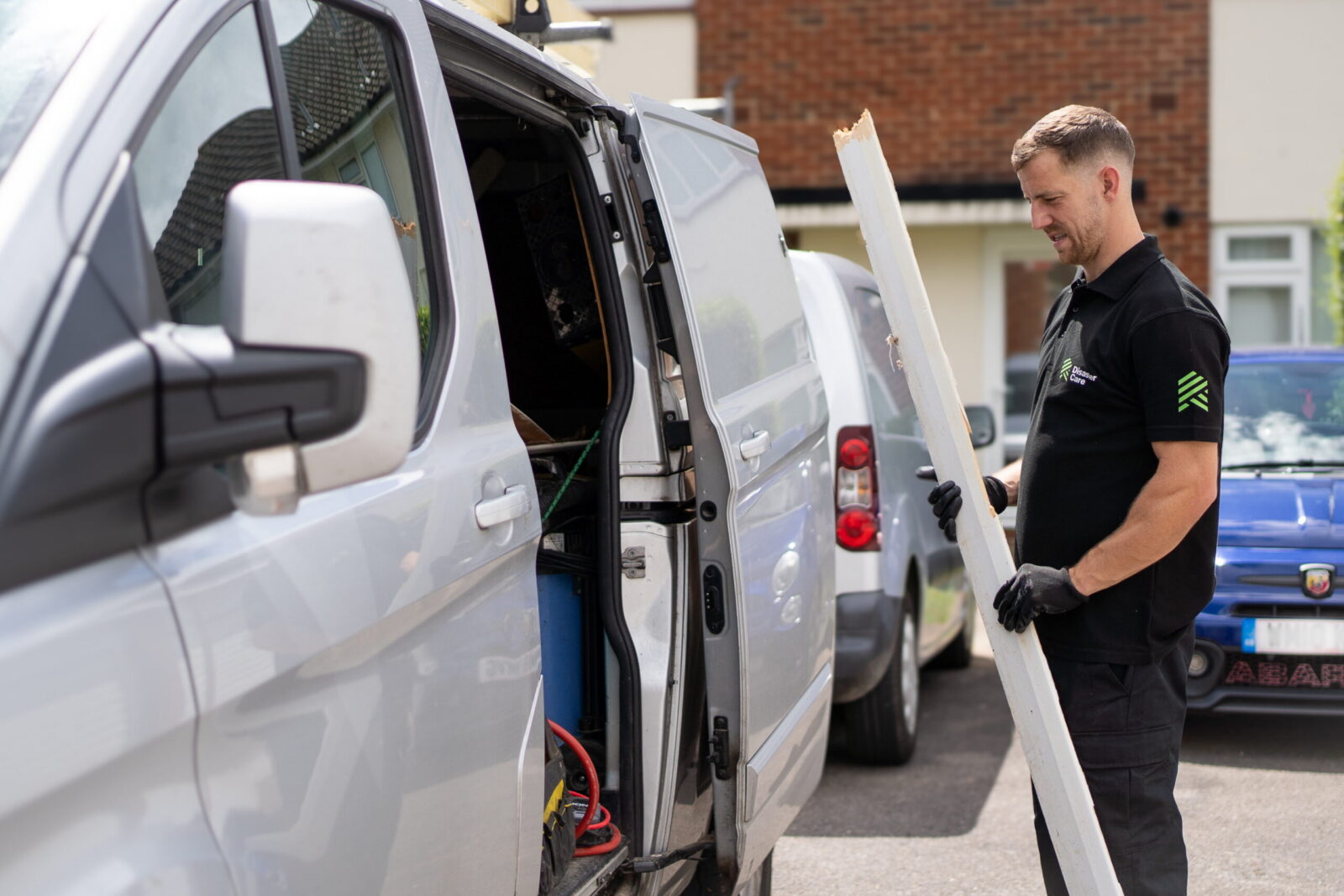
Every time our teams restore a flood-damaged floor rather than replacing it, clean a smoke-affected wardrobe of clothing rather than writing it off, or return a water-damaged piece of furniture to a home rather than sending it to landfill, we are delivering an environmental outcome as well as a recovery one. That is the nature of restoration work done well.
This page explains how our approach supports environmental and social responsibility, what we are measuring, and what we are working to improve.
Why Restoration Is the Right Environmental Choice
When a property damage claim ends with replacement rather than restoration, the environmental cost is significant and often invisible. Manufacturing new furniture, new appliances, new flooring, and new clothing all carry embedded carbon, water consumption, and resource use. When those items end up in landfill as well, the environmental impact doubles.
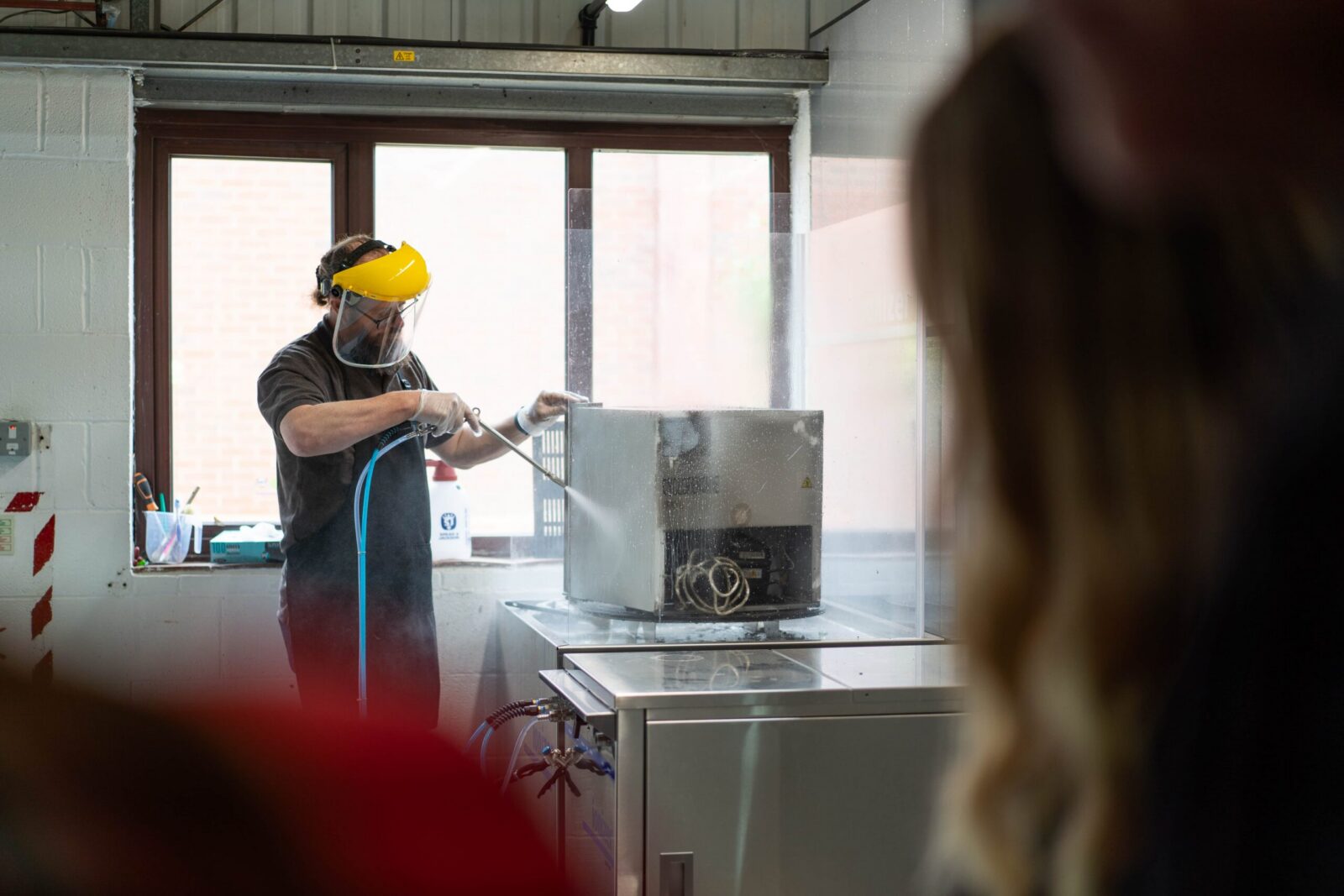
Disaster Care’s restoration-first approach directly reduces that impact. Our specialist cleaning systems, including the DC 4000 Esporter for soft contents and ultrasonic cleaning for hard contents, are designed to restore items that would otherwise be discarded. Our structural drying equipment is selected for energy efficiency, reducing energy consumption during the drying process compared to conventional alternatives.
The environmental benefits align with the financial ones. Restoration is typically significantly less expensive than replacement for insurers. For policyholders, it means familiar belongings returned to their home rather than a settlement that funds new purchases. For the environment, it means less waste, less manufacturing, and less carbon.
How We Approach ESG
Our approach to environmental, social, and governance responsibility is organised around three areas. Each reflects genuine operational activity, not aspiration.
E Environmental: Restore, Reduce, Recycle
We restore rather than replace wherever safely possible, reducing the volume of items going to landfill and the embedded carbon of replacement manufacturing. Where items cannot be restored, we document them carefully and work to ensure waste is handled responsibly. We invest in energy-efficient drying technology and are building toward consistent environmental measurement across the network.
S Social: People and Communities
Disaster Care operates through a network of locally run specialist businesses, each contributing to their own community. Our work takes trained professionals into homes at their most vulnerable moment: the social value of that work, delivered well, extends beyond the claim.
G Governance: Standards and Accountability
We operate to the governance standards expected of a major insurer’s specialist partner. Our network partner’s hold IICRC and BDMA accreditations, our processes are documented and auditable, and we are developing consistent ESG data reporting across the network.
Restoration in Practice
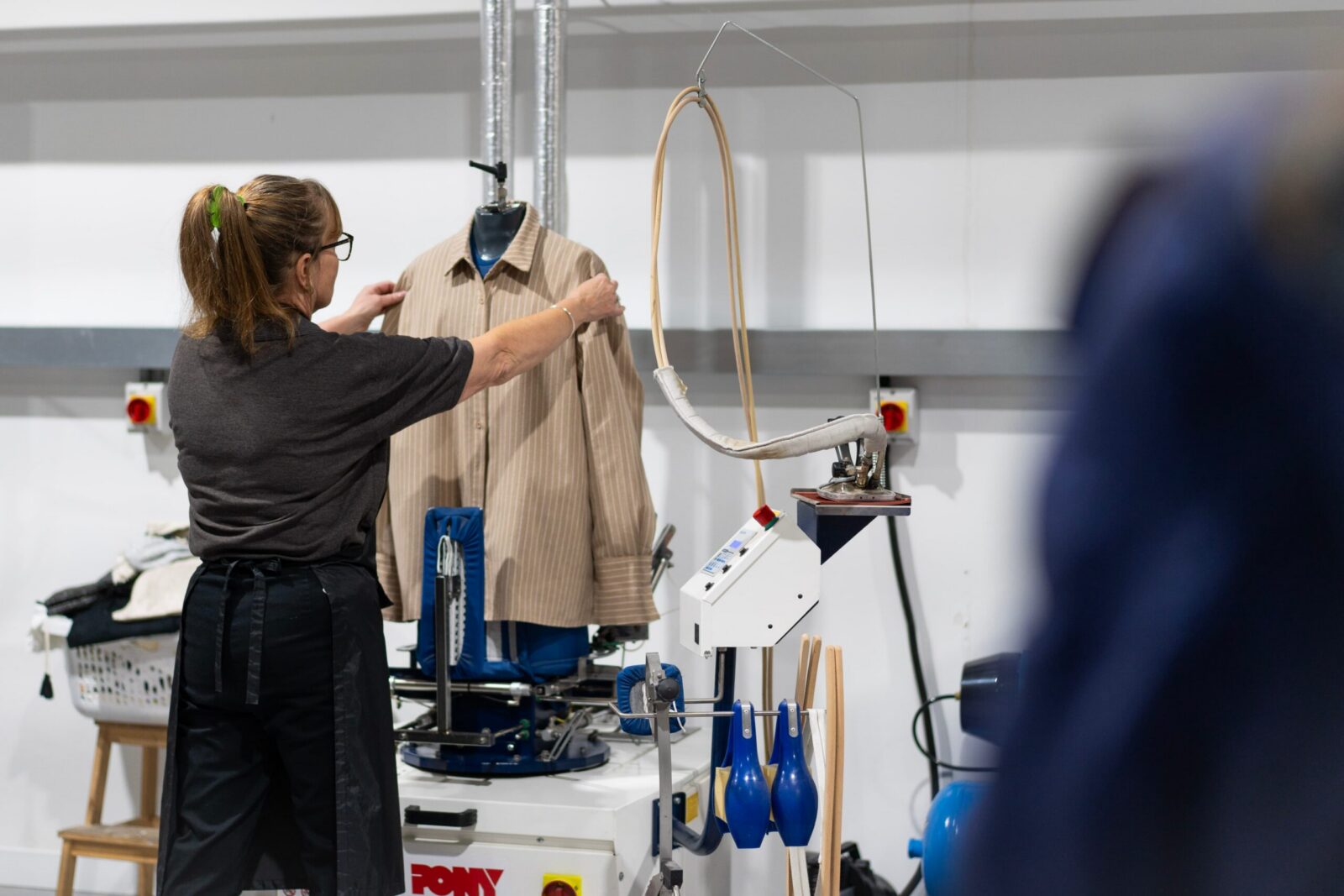
The environmental and financial case for restoration over replacement becomes clearer when it is made specific. Our contents restoration operation at Long Eaton processes claims for soft contents, hard contents, and electronic items across the network.
Items that appear badly damaged by soot, smoke, flood water, or contamination are assessed carefully. Those that can be safely cleaned and returned are. Those that cannot are clearly documented for settlement. Our approach is always to restore first, replace only when restoration is not achievable.
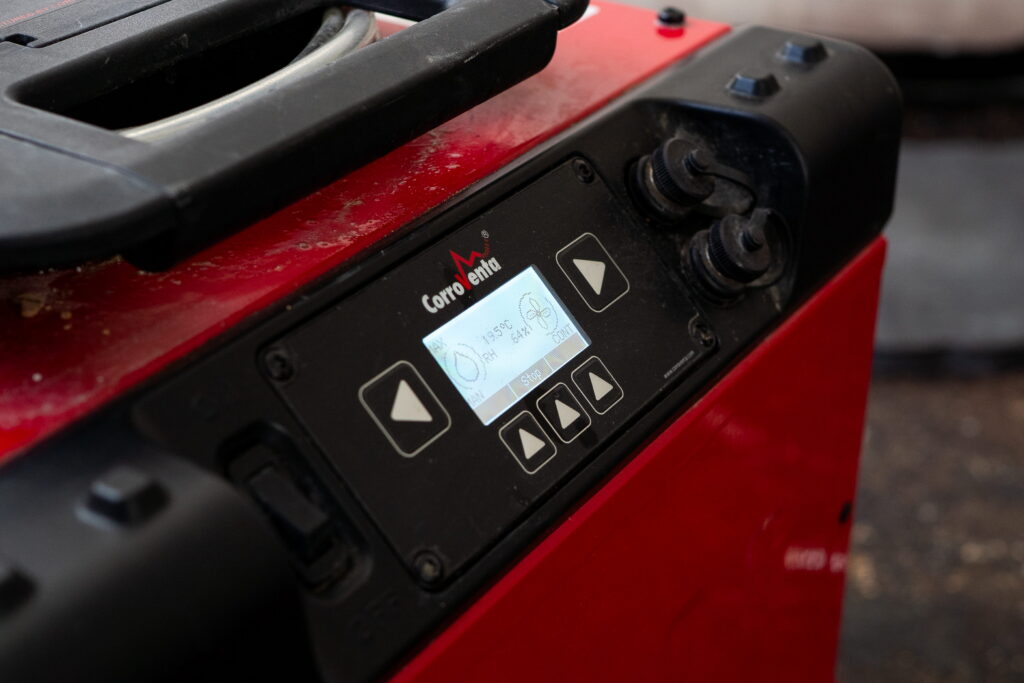
Across our network, the Corroventa L4 drying system represents a significant advance in energy efficiency. By combining condensing and desiccant drying in a single unit, it delivers effective structural drying with a materially lower energy consumption than conventional equipment configurations. Using fewer machines that work more effectively is better for the environment and better for homeowners who remain in their properties during restoration.
Measuring and Improving
Disaster Care is in the process of developing a structured ESG measurement framework across the network. This work is ongoing.
We are working toward consistent measurement of energy consumption, water usage, waste by category, and transport emissions across all network partners. We are developing standardised data capture processes to replace the current variation in how environmental data is recorded. And we are working toward the ability to produce a complete and defensible annual ESG report.
We are not there yet. But the commitment is genuine, the direction is clear, and the work is underway.
We will publish progress as the data matures.
Our Social Responsibilities
The social dimension of disaster recovery work is often overlooked in ESG reporting. It should not be.
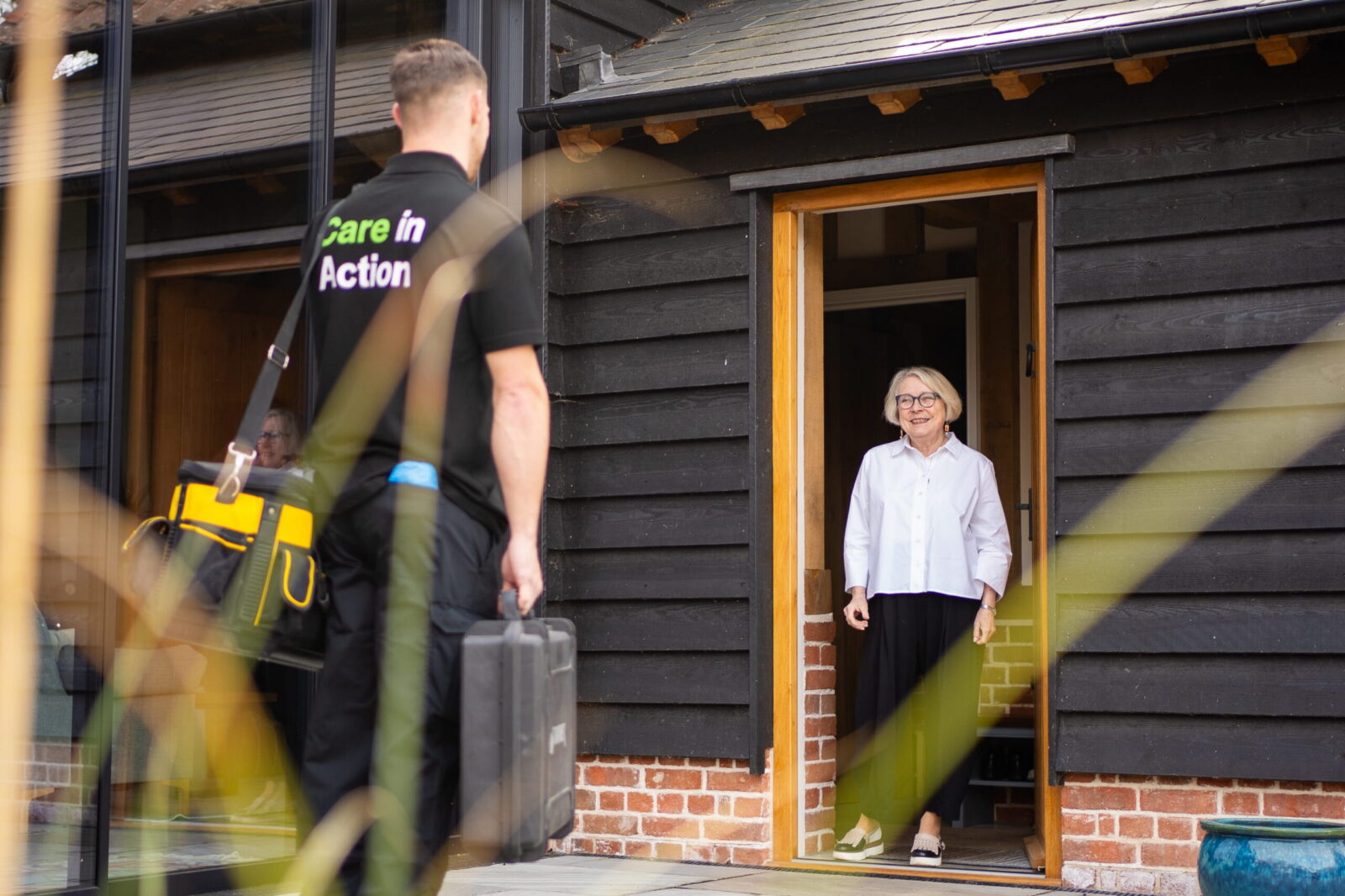
Every Disaster Care team member who enters a home following a fire or flood is doing socially important work. They are trained professionals helping people through one of the most disruptive experiences of their lives. The quality of that interaction, the competence, the care, and the communication, has a direct impact on the wellbeing of homeowners and families.
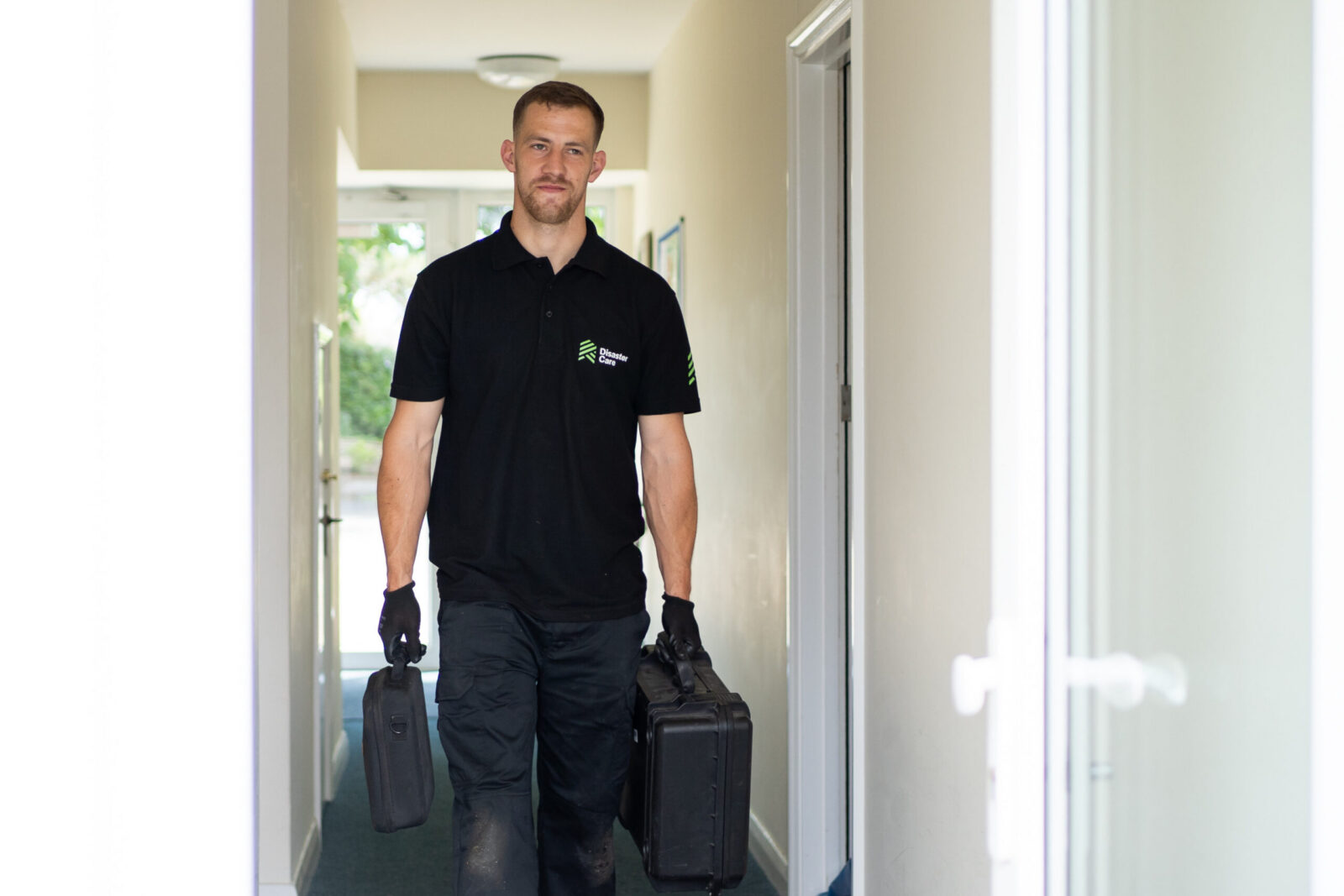
Our network partners operate across the UK, each run by an experienced specialist business owner who employs local people, trains them to industry-leading standards, and invests in their own community. The National Flood School has trained restoration professionals from across the UK sector since 1988, raising standards industry-wide rather than simply for our own network.
As an Aviva company, we are aligned with their broader commitments to responsible business, transparent reporting, and sustainable supply chain management. We will publish more on this alignment as those commitments develop.
ESG and Sustainability: Your Questions Answered
Does restoring rather than replacing really make a difference to the environment?
It does. Every item restored rather than replaced avoids the embedded carbon of manufacturing a new one, the logistics of delivering it, and the landfill impact of disposing of the old one. For a typical property damage claim involving contents, the difference can amount to a significant volume of material. Restoration also avoids the energy and water consumption associated with producing replacement goods.
Is Disaster Care carbon neutral?
No, and we will not claim otherwise. Disaster Care is working toward full measurement of its carbon footprint across all operations, including the vehicle fleets and energy consumption of our network partners. Until that measurement is complete and verified, we will not make carbon neutrality or net zero claims. What we can say is that our restoration-first model reduces the carbon impact of property damage claims compared to replacement-based alternatives.
What is Disaster Care doing to reduce its environmental impact?
We are developing consistent environmental measurement across the network, from energy and water consumption to waste and transport. We invest in energy-efficient drying equipment. We train our technicians to maximise restoration rates, reducing unnecessary replacement. And we are building toward an annual ESG report that will set out our performance against clear metrics.
How does the National Flood School contribute to social responsibility?
The National Flood School has raised standards in the UK disaster restoration industry since 1988. It is the first facility in the UK approved to deliver IICRC Applied Structural Drying training, and it runs courses for professionals from across the sector, not just the Disaster Care network. Every technician it trains is better equipped to do restoration work well, which benefits homeowners, reduces insurance costs, and reduces the environmental impact of inadequate drying and unnecessary replacement.
Explore More
Our Story
Contents Restoration