OUR SERVICES
Contents Restoration
When your home has been affected by fire, flood, or escape of water, it is not just the building that matters. It is what is inside it.
Your clothing, your furniture, your children’s toys, your electronics, and the items that carry memories and meaning are often the things that feel most difficult to lose.
Disaster Care’s specialist contents restoration service is built around one principle: restore wherever possible, not replace.
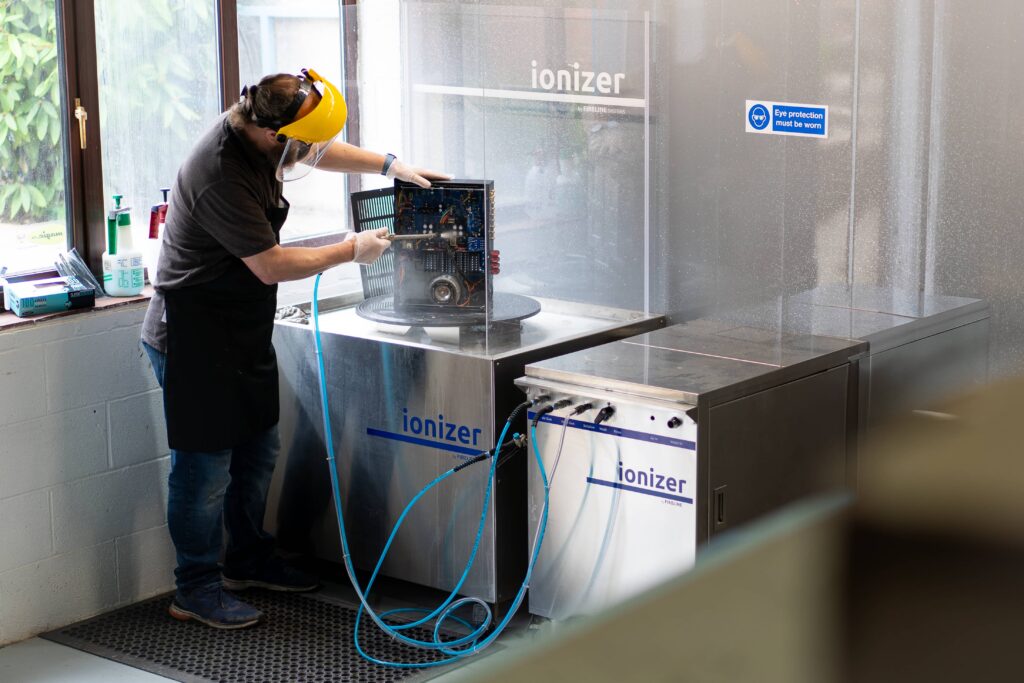
As a specialist disaster recovery partner, we have dedicated contents cleaning facilities across our network, with trained technicians and specialist equipment for soft contents, hard contents, and electronic and electrical items. Our goal is to return your belongings to you clean, safe, and as close to their pre-loss condition as possible.
Have Questions About Your Belongings?
What Can Be Restored?
More than most homeowners expect. Items that appear badly affected by soot, smoke, flood water, or contamination can often be successfully cleaned and returned. The key is speed: the sooner items are removed from the affected environment and assessed by our specialists, the better the outcome.
For specialist and high-value items such as artworks, antique rugs, pianos, and chandeliers, we work with a carefully selected group of third party specialist restorers who have the specific expertise those items require. Our role is to ensure those items are identified early, handled correctly from the moment we attend, and placed with the right specialist without delay.
Soft Contents
- Clothing, footwear and bags
- Workwear, uniforms and PPE
- Bed and bath linen
- Rugs and curtains
- Delicate and dry-clean items
Electronics and Electrical Items
- Kitchen appliances
- Major appliances
- Computing and media equipment
- Personal portable devices
- Power tools
Hard Contents
- Kitchenware
- Furniture
- Decorative items
- Children’s toys
- Tools
Specialist and High-Value Items
- Antique furniture
- Antique and modern rugs
- Collectables
- Artworks and books
- Commercial and office equipment
Items we cannot restore:
Some items cannot be safely or successfully cleaned following a peril. These include items with direct fire or flame contact, items that have been fully submerged in floodwater for an extended period, and items with structural damage or safety concerns. Where items cannot be restored, we document them thoroughly for your claims handler and they are added to what we call the beyond economical restoration (BER) list for settlement discussion. We will always explain our assessment to you clearly.
What Happens to Your Belongings?
From the moment our technicians arrive at your property, your belongings are in specialist hands. Every item is handled carefully, recorded in detail, and assessed individually. Nothing is discarded without your knowledge and agreement.
STEP ONE
01.
Initial Assessment and Mitigation
When we arrive, our first priority is to minimise further deterioration. Contents in an affected environment continue to be damaged by smoke, moisture, and contamination the longer they remain there. We quickly assess what is present, identify any items requiring urgent attention, and begin moving belongings to a safe area or our vehicle for transport to our cleaning facility.
STEP TWO
02.
Careful Inventory and Photography
Every item we collect is photographed, inventoried, and recorded in our system before any cleaning begins. You will always know exactly what we have, where it is, and its assessed condition. Items identified as beyond restoration are clearly documented and reported to your claims handler for settlement discussion. Nothing is disposed of without your agreement.
STEP THREE
03.
Specialist Cleaning by Category
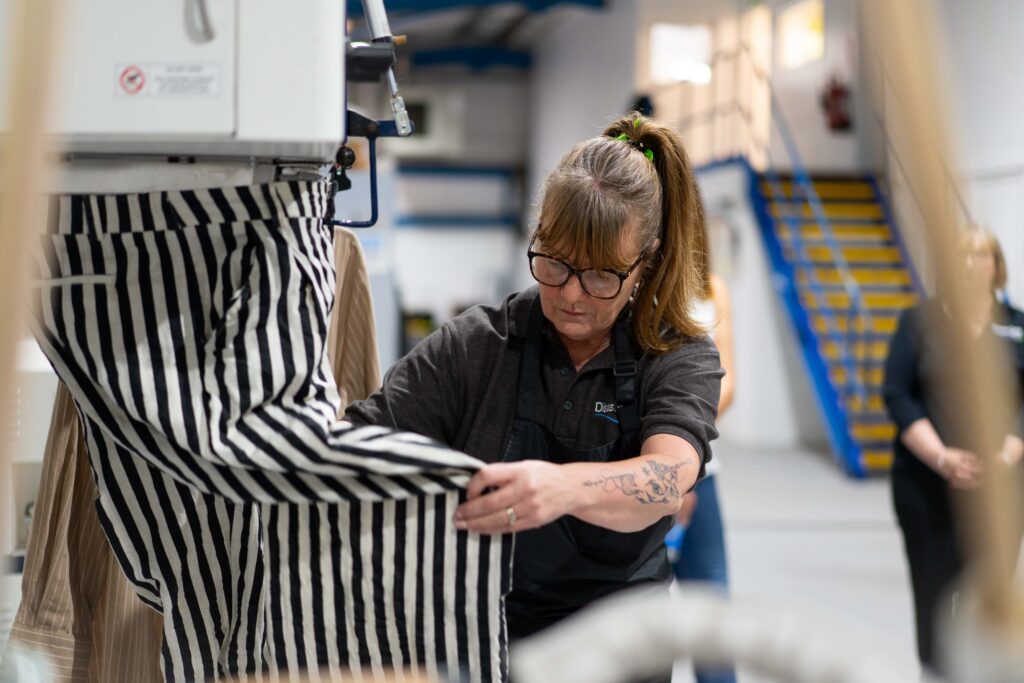
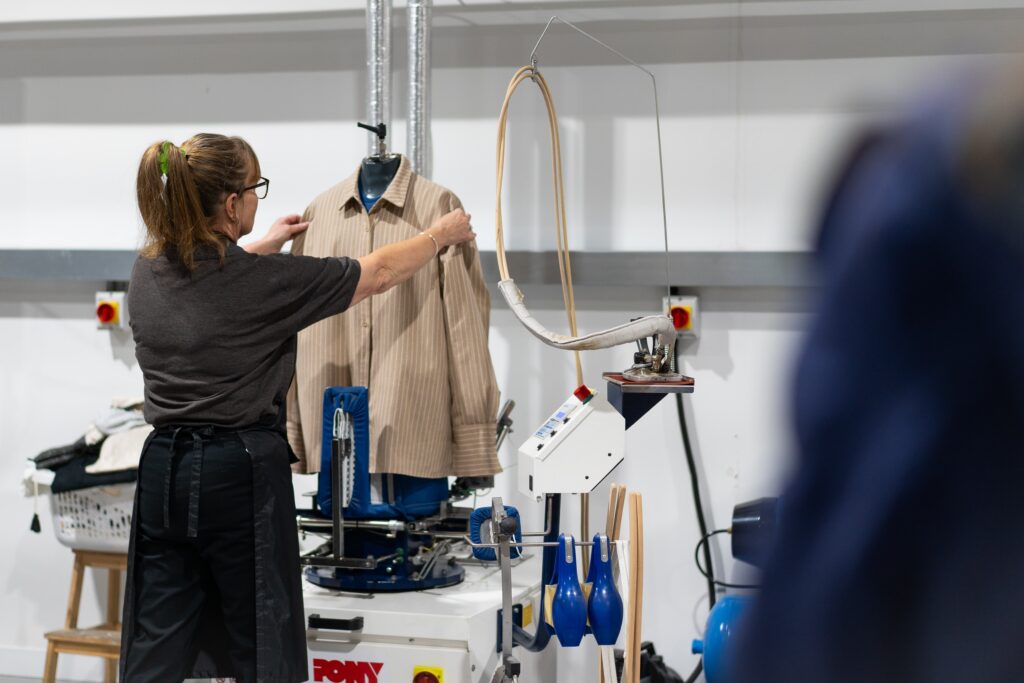
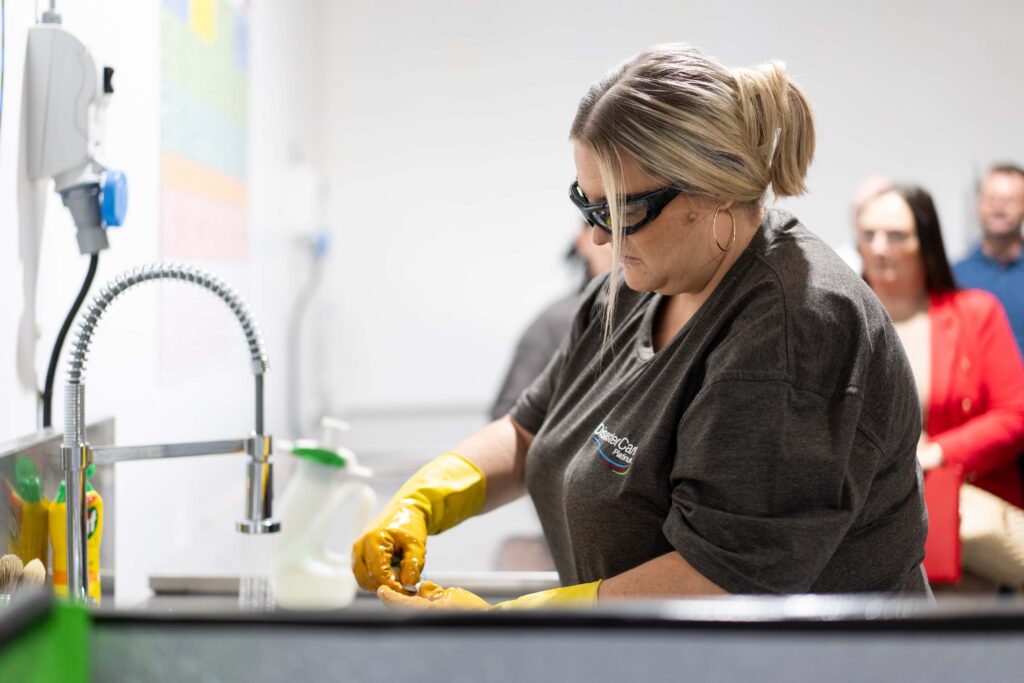
Soft contents are cleaned using our DC 4000 Esporter specialist cleaning system, designed specifically for items affected by fire, flood, and contamination. Hard contents are cleaned using ultrasonic systems that penetrate every crevice without harsh chemicals. Electronic and electrical items go through a deionised water cleaning process with PAT testing before and after.
Specialist and high-value items, including artworks, antique rugs, pianos, and chandeliers, are handled differently. Some branches have specialist technicians such as furniture restorers or rug cleaning specialists who deal with these directly. For items requiring expertise beyond what we hold in-house, we place them with carefully selected third party specialist restorers who have the right skills and facilities for that category of item. In all cases, the item stays within our care chain and is returned to you through us.
STEP FOUR
04.
Quality Checking and Deodorising
Every item is checked by our technicians before it leaves the cleaning facility. Odour is removed, not masked: items returned from our soft contents cleaning will have a neutral smell rather than a fragrance, which is intentional. It confirms the underlying contamination has been fully eliminated. Once items pass quality checks they are carefully packaged for storage or return.
STEP FIVE
05.
Storage and Return
Where your home is still undergoing restoration or reinstatement works, your belongings are stored securely at our branch facility in appropriate conditions. Items requiring temperature or humidity control are kept accordingly. When your home is ready, we coordinate the return carefully, ensuring everything arrives back in the condition in which it left our facility.
Why Restoring Matters More Than Replacing
When belongings are written off and replaced, a lot is lost that cannot be bought again. The soft toy a child has had since birth. The clothing a parent wore. The crockery that belonged to a grandparent. These things are not replaceable in any meaningful sense, even when the insurance settlement covers a new equivalent.
Disaster Care was founded in part on this insight. In the early years of the business, Chris Netherton, CEO of Disaster Care, saw high-value clothing being written off after fires when the items could have been cleaned and returned. He sourced specialist cleaning technology from North America to do something about it. That instinct to restore rather than discard is still at the core of how our contents teams work today.
There is also a practical dimension. Restoration is typically around 30% less expensive than replacement for insurers. It is faster for homeowners, who receive familiar items back rather than waiting for replacements to be sourced and delivered. And it significantly reduces the volume of items going to landfill, which matters for every insurer’s and homeowner’s environmental commitments.
Contents Restoration: Your Questions Answered
Will my belongings smell different when they come back?
Quite possibly, at first. Items cleaned through our specialist systems come back with a neutral odour rather than the fresh scent you might expect from a domestic wash. This is intentional. A neutral smell confirms that contamination and odour from the incident have been fully removed rather than masked by fragrance. Once you put soft contents items through a normal wash at home, the familiar smell will return.
What happens to items that cannot be cleaned?
Items that cannot be safely or successfully restored are clearly identified and documented in our contents reports. They are classified as beyond economical restoration (BER) and reported to your claims handler for settlement discussion. We will explain our assessment to you and will not dispose of any item without your knowledge and agreement.
How long will it take to get my belongings back?
This depends on the number of items, when approval is received from your Aviva claims handler, and when your home is ready to receive them back. As a broad guide, hard contents cleaning typically completes within two to four weeks of approval. Soft contents and electronics vary depending on the volume involved. We will give you an indication at the earliest opportunity and keep you informed throughout.
Can electronics and electrical items really be cleaned after a fire or flood?
Many of them can, and the results often surprise homeowners. Items affected by smoke or soot that have not had direct contact with flames or been fully submerged in water are often restorable. Our cleaning process uses deionised water and specialist equipment designed specifically for electronics, with PAT testing before and after to confirm safety. Items that do not pass testing or quality checks are added to the BER list.
My home has sentimental items of no great financial value. Will they be treated the same way?
Yes. Our technicians understand that the value of a belonging is not always financial. A child’s soft toy, an inherited piece of china, or a piece of clothing with emotional significance receives the same careful attention as a high-value item. If you have specific concerns about particular belongings, tell our technician when they arrive: they will note your priorities and ensure those items receive appropriate attention.
Can specialist or high-value items such as artworks and antique rugs be restored?
In many cases, yes. Artworks, antique rugs, pianos, and similar items require specialist expertise that goes beyond standard contents cleaning. Where our branches have specialist technicians with the relevant skills, they handle these items directly. Where they do not, we place items with carefully selected third party specialist restorers who work in that specific field. The item remains within our care chain throughout and is returned to you through us. We will explain the approach for any specialist item at the point of assessment.
What is the difference between soft contents, hard contents, and electronics cleaning?
Soft contents are textiles: clothing, bedding, curtains, soft toys, and similar items. These are cleaned using our specialist DC 4000 Esporter system, which is specifically designed for items affected by fire, flood, and contamination. Hard contents are non-textile, non-electronic items: kitchenware, furniture, ornaments, and similar. These go through an ultrasonic cleaning process. Electronic and electrical items go through a deionised water cleaning process using systems designed to clean circuit boards and components safely. Each category has its own facility and its own trained technicians.
Contents Restoration: Standards and Accreditations
Our contents restoration specialists are trained by the manufacturers of the equipment they use, and hold relevant accreditations from professional bodies in the cleaning and restoration industry.
- DC 4000 Esporter manufacturer training: specialist soft contents cleaning accreditation
- Ultrasonic cleaning system manufacturer training: hard contents and electronics
- IICRC accreditation: selected technicians hold IICRC qualifications in contents and carpet and rug cleaning
- NCCA (National Carpet Cleaners Association) accreditation: carpet and rug cleaning specialists
- Woolmark Certification: select technicians certified for wool and specialist textile cleaning
- BAR (British Association of Removers) Certification: professional packing, handling, and transport of contents
- PAT testing Certification: all electronics receive certified PAT testing before and after cleaning
Ready to Begin Your Recovery?
Related Services
Water Damage Restoration
Fire Damage Restoration
Household Removals and Storage