
OUR SERVICES
Asbestos Remediation
Asbestos-containing materials can be present in any property built before 2000. When a fire, flood, or structural incident disturbs those materials, the restoration process requires a careful and structured response before other work can safely continue.
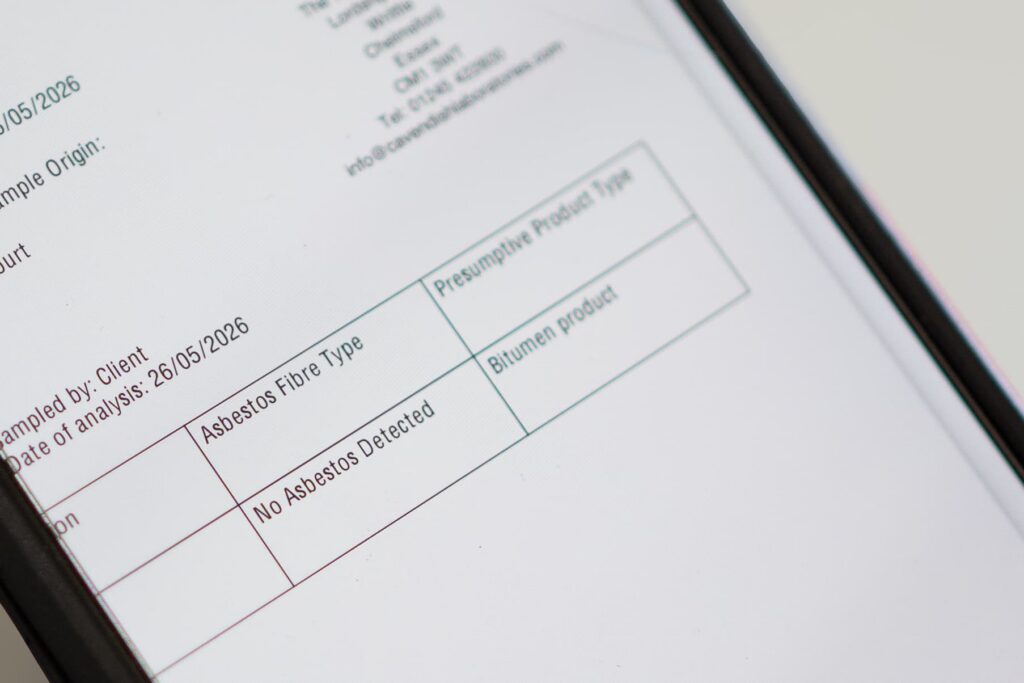
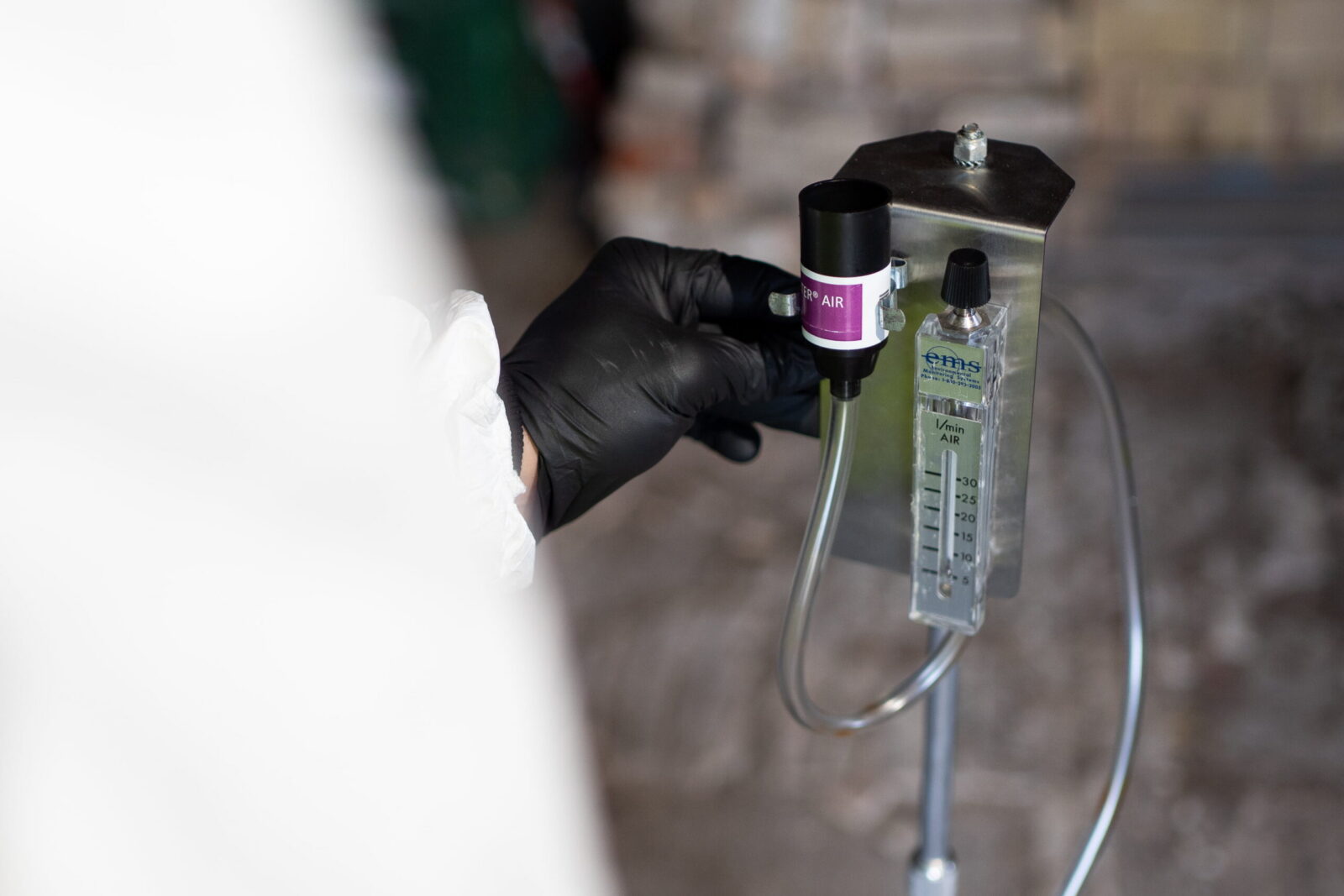
Disaster Care’s technicians are trained to identify potential asbestos-containing materials during their initial property assessment, arrange laboratory analysis, and where asbestos is confirmed, coordinate the appointment of licensed specialist removal contractors. Once removal is complete and a negative clearance certificate has been issued, restoration works can proceed safely.
Disaster Care does not carry out asbestos removal directly. Our role is to identify the risk early, manage the process carefully, and ensure the right qualified specialists are appointed. That is the correct approach, and it keeps your recovery on track without unnecessary delay.
Contact Us
Need Asbestos Remediation Support?
Where Asbestos Is Commonly Found
The most frequent locations in homes affected by fire or water damage are floor tiles, particularly Marley tiles and thermoplastic tiles beneath carpets, which may contain asbestos in both the tile itself and the bitumen adhesive underneath. Artex ceiling coatings applied before 2000 frequently contain asbestos. Roof materials, insulation around pipes and boilers, and certain floor and ceiling panels in older properties may also be affected.
In water damage claims, the most common trigger is a collapsed or damaged ceiling, where Artex becomes exposed and disturbed. In fire claims, the heat and structural damage can affect a wider range of materials. In boh cases, the risk is identified during our initial survey before any restoration work begins.
In properties built before 2000, asbestos-containing materials were widely used in construction. Our technicians are specifically trained to identify the surfaces and materials where it is most commonly present in domestic properties.
Common locations in domestic properties
- Floor tiles: Marley tiles, thermoplastic tiles, and the bitumen adhesive beneath them
- Artex ceiling coatings applied before 2000
- Insulation around pipes, boilers, and storage heaters
- Roof felt, soffit boards, and certain cladding materials
- Textured wall and ceiling coatings in older properties
- Some floor and ceiling panels in properties built between 1950 and 2000
How We Manage Asbestos Risk During Restoration
The process is systematic and follows a clear sequence. Nothing proceeds to the next stage without the previous one being completed and confirmed. Where asbestos risk is identified, the restoration process pauses until the hazard has been safely managed.
STEP ONE
01.
Initial Survey and Risk Identification
During our initial property assessment, our technicians carry out a survey to identify surfaces and materials that may contain asbestos. This is a standard part of every assessment for properties built before 2000. We look specifically at flooring, ceilings, and any materials disturbed or exposed by the incident. If no asbestos-containing materials are identified and no surfaces have been disturbed, work can proceed as normal.
STEP TWO
02.
Sampling and Laboratory Analysis
Where a surface or material is identified as a potential asbestos-containing material, we take samples and send them to an accredited laboratory for analysis. We follow the sampling protocol required by the insurer and document everything carefully. Results are typically returned within a short working period. If the analysis returns negative, restoration works can proceed immediately.
STEP THREE
03.
Containment and Coordination of Removal
If laboratory analysis confirms asbestos, the affected area is contained to prevent disturbance and spread. Where the risk is isolated to one area and can be safely separated from the rest of the property, we use containment methods that allow other restoration works to continue in unaffected areas. A licensed asbestos removal contractor is appointed by the insurer to carry out the safe removal. Disaster Care coordinates that appointment and manages the handover.
STEP FOUR
04.
Clearance and Resumption of Restoration
Once the licensed contractor has completed the removal, they issue a negative clearance certificate confirming the area is free of asbestos. Only then do our restoration teams return to continue their work. The full sequence is documented and reported to your claims handler throughout. There is no shortcut to this process and we do not take one.
Contact Disaster Care to discuss your claim
Asbestos Remediation: Your Questions Answered
Does asbestos mean my restoration will be delayed?
Not necessarily, and not for long if it is managed promptly. If asbestos is identified, work in the affected area pauses while testing is carried out. If testing is negative, work resumes immediately. If positive, the area is contained, a licensed removal contractor is appointed, and work in unaffected areas continues while removal takes place. Our role is to manage this process efficiently to minimise the impact on your recovery timeline.
Is asbestos in my home dangerous?
Asbestos is generally not dangerous when it is intact and undisturbed. The risk arises when asbestos-containing materials are damaged, deteriorating, or disturbed during work, which releases fibres that can be harmful if inhaled. This is why we identify and assess it before restoration work begins, and why removal, where needed, is carried out by licensed specialists using controlled methods.
Do you carry out asbestos removal yourselves?
No. Disaster Care’s role is identification, sampling, and coordination. The removal of confirmed asbestos-containing materials is carried out by licensed asbestos removal specialists appointed through the insurer. This is the legally correct approach and ensures removal is carried out to the required standard with proper certification.
My home was built before 2000. Does that mean it definitely has asbestos?
Not necessarily. Many properties built before 2000 do not have asbestos, and many that do have it in materials that are intact and undisturbed. Our survey will identify the materials most likely to contain it and assess whether they have been affected by the incident. If nothing is disturbed and no risk is identified, no further asbestos-related action is needed.
What is an ACM?
ACM stands for asbestos-containing material. It refers to any building material that contains asbestos fibres. Common examples in domestic properties include certain floor tiles, ceiling coatings, and insulation materials. Not all ACMs pose an immediate risk: the risk depends on the condition of the material and whether it has been disturbed.
Can work continue in other parts of my home while asbestos is being dealt with?
In many cases, yes. Where the asbestos risk is contained to one area and can be safely separated from the rest of the property, restoration work in unaffected areas can continue while the affected area is managed. Our technicians assess this on a job-by-job basis and will explain the approach clearly when they carry out their initial survey.
Related Services
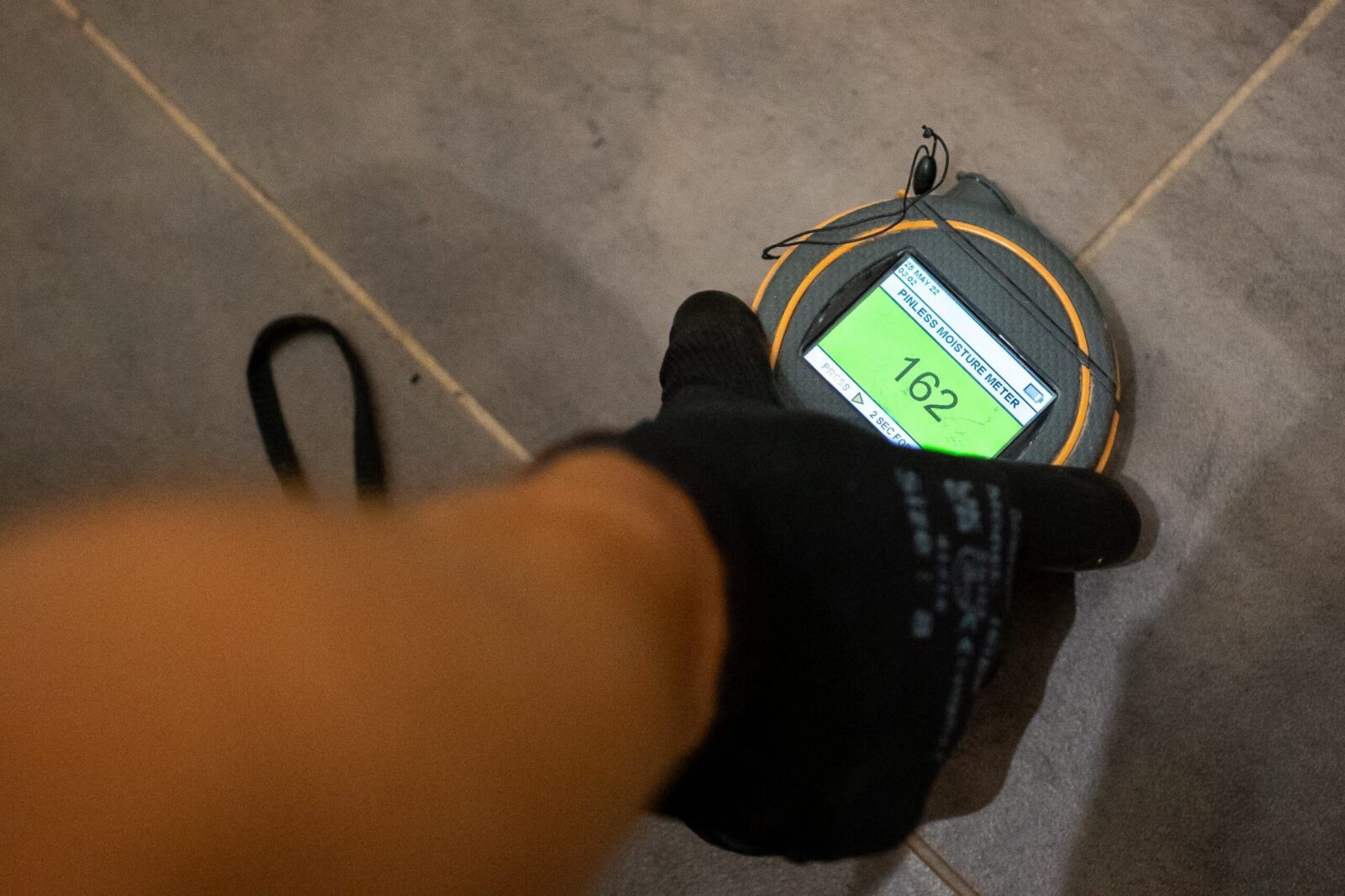
Water Damage Restoration
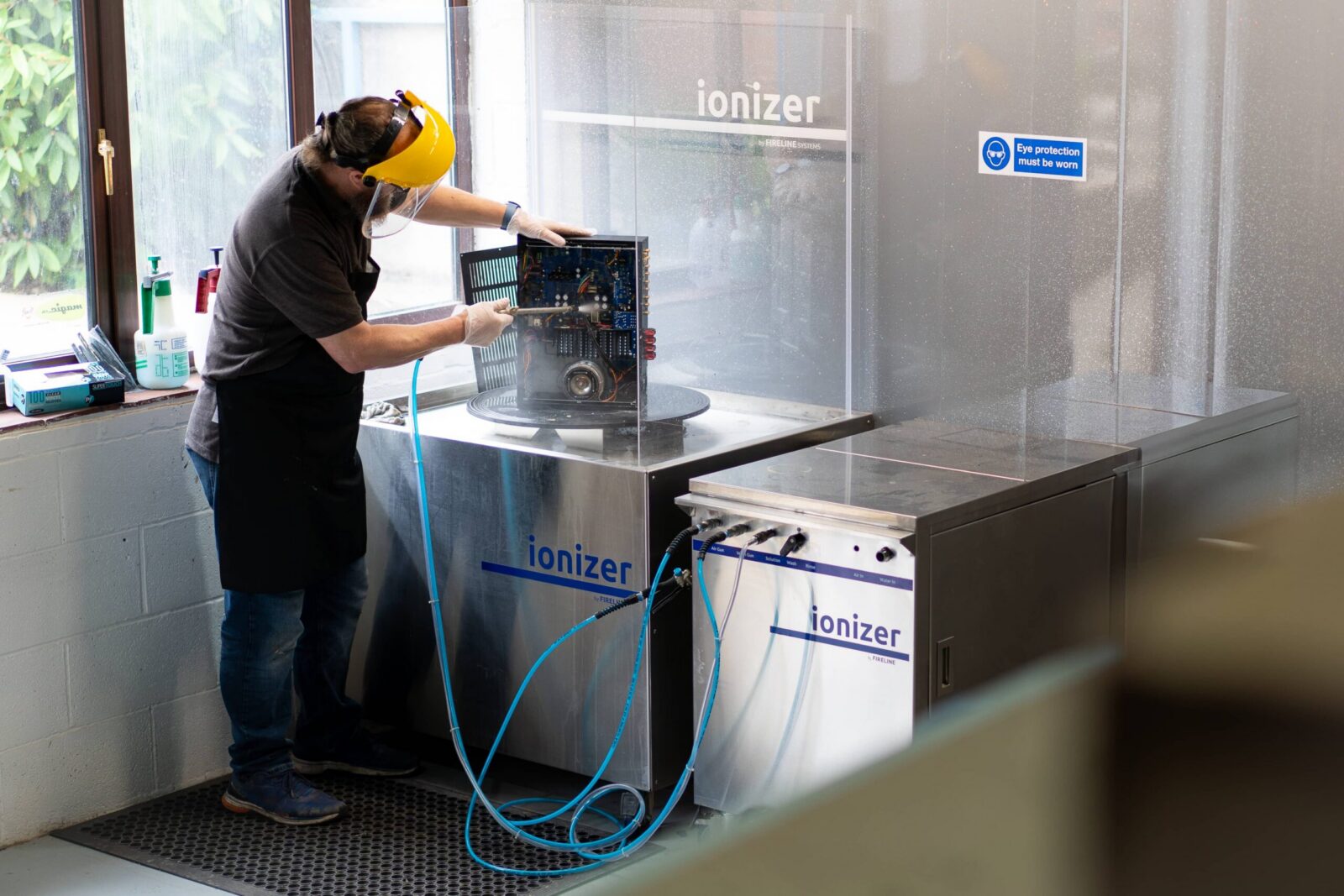
Fire Damage Restoration
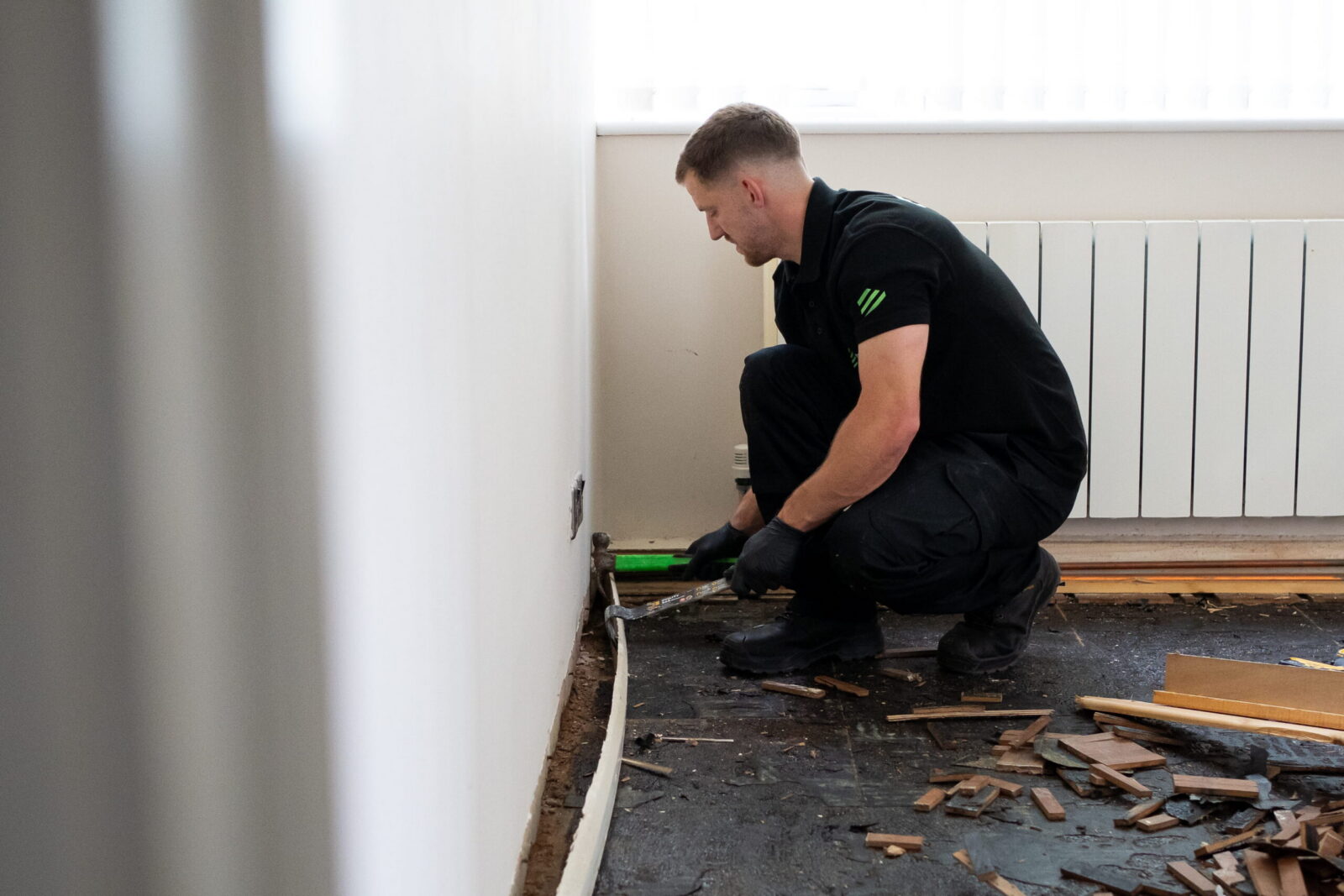
Building Restoration and Reinstatement
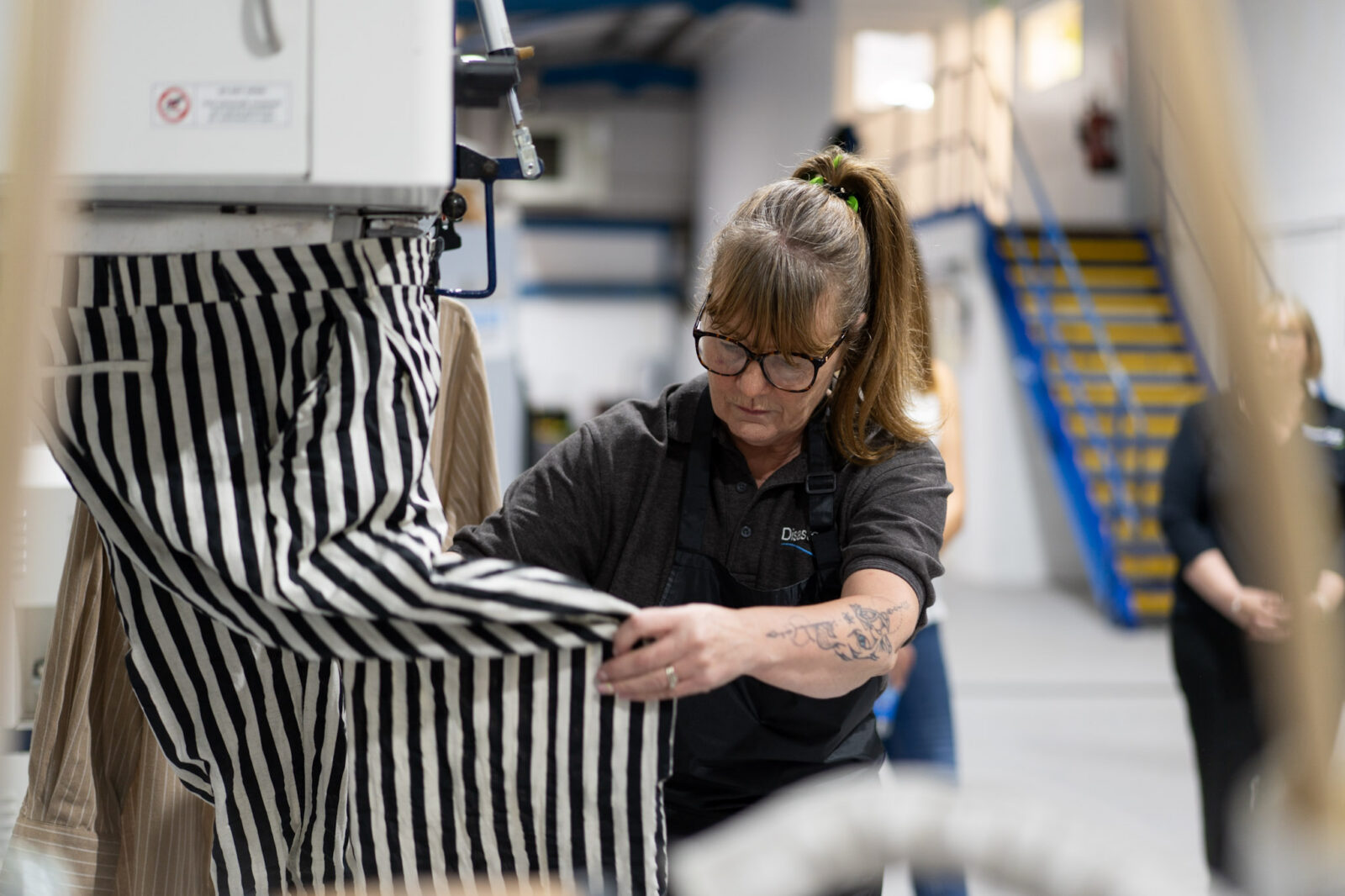
Specialist Cleaning Services

CONTACT US
Resilience Restored
Disaster Care brings specialist disaster recovery expertise to policyholders across the UK.
Specialist disaster recovery. Delivered with care, professionalism, and urgency, for every policyholder, across the UK.
For urgent support, call Aviva: 0800 015 1498
For general enquiries: claims@disastercare.co.uk