OUR SERVICES
Fire Damage Restoration
A fire in your home is one of the most distressing things you can experience. Even a relatively contained incident can leave soot, smoke, and water damage affecting rooms far beyond where the fire started. Disaster Care’s specialist teams are here to take control of the recovery from the moment we arrive, working carefully and methodically to assess the damage, stabilise your property, and begin the process of restoration.
As a specialist disaster recovery partner, we provide a complete fire damage restoration service.
Our teams are IICRC certified in fire and smoke restoration, and they understand that in a fire claim, every hour without professional intervention means more secondary damage to your home and your belongings.
Fire damage is rarely just fire damage. It almost always involves smoke and soot contamination, water from firefighting, structural assessment, and contents recovery. We coordinate all of it, so you do not have to.
Contact Disaster Care to discuss your claim
What Happens During Fire Damage Restoration?
Fire damage claims are among the most complex in property restoration. The damage rarely stays in one place: soot travels through air systems, smoke penetrates soft furnishings and wall cavities, and water from firefighting can affect areas well away from the fire itself. Our approach is systematic and thorough, because thorough is what complex claims require.
STEP ONE
01.
Rapid Attendance and Site Stabilisation
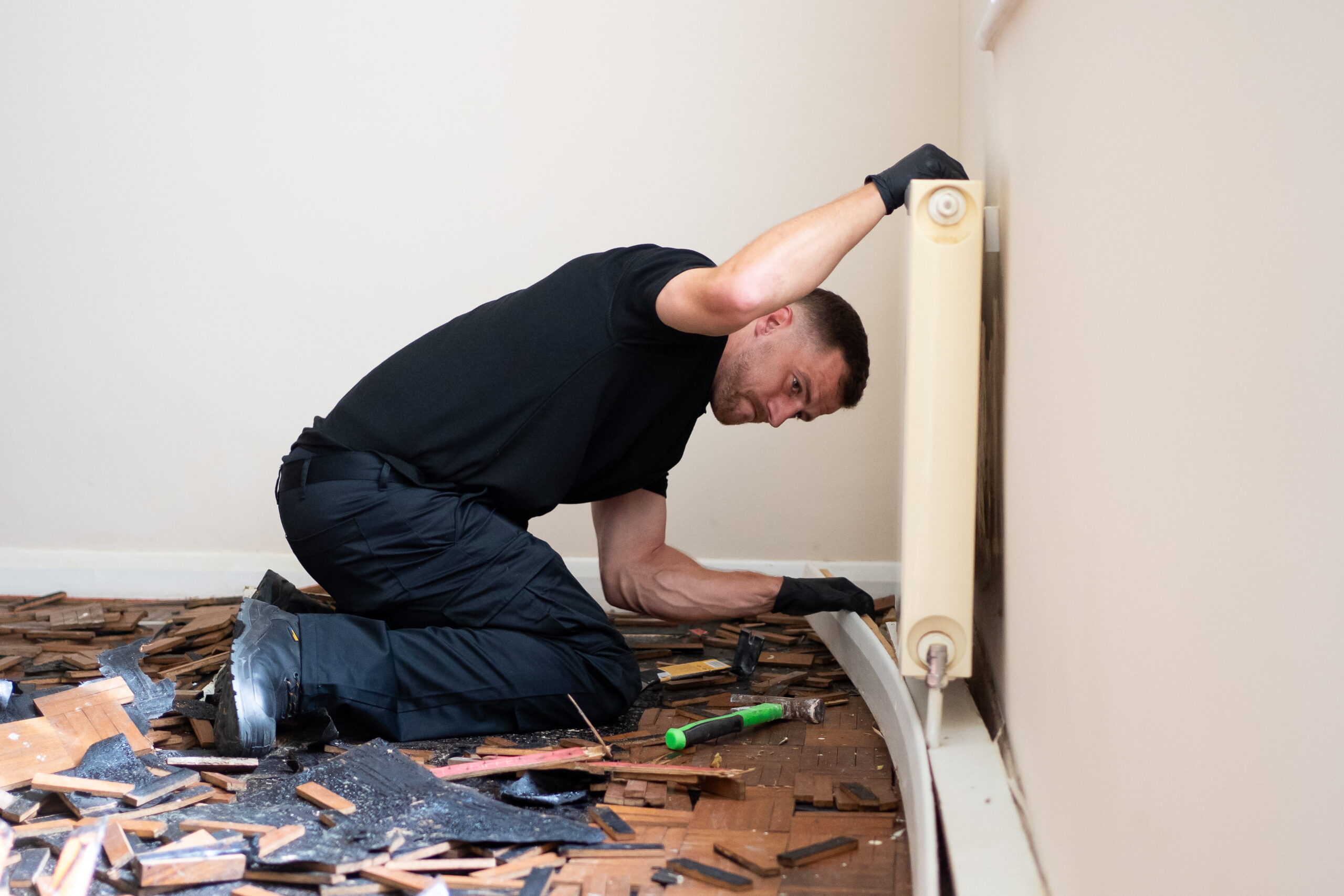
Fire damage claims require urgent attendance: secondary damage from soot and smoke contamination accelerates quickly after a fire. When we arrive, our first priority is safety. We assess any structural risks, identify electrical hazards, arrange boarding up and securing of windows and doors where needed, and make the property safe for the work to begin.
STEP TWO
02.
Damage Assessment and Contents Triage
Once the property is safe, we carry out a full assessment of the fire, smoke, and water damage. Contents are triaged carefully: items are assessed as restorable, requiring specialist cleaning, or beyond reasonable repair. We document everything thoroughly and report to your claims handler. Restorable contents are removed to our specialist cleaning facilities. We will explain every decision to you and you will be involved in the process.
STEP THREE
03.
Soot, Smoke, and Odour Treatment
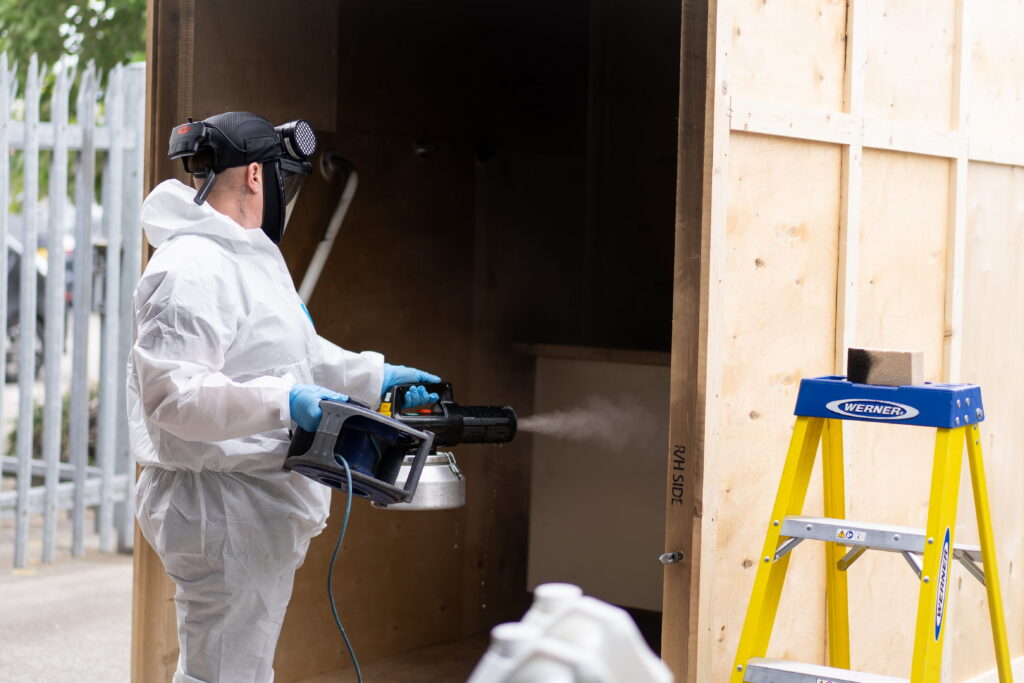
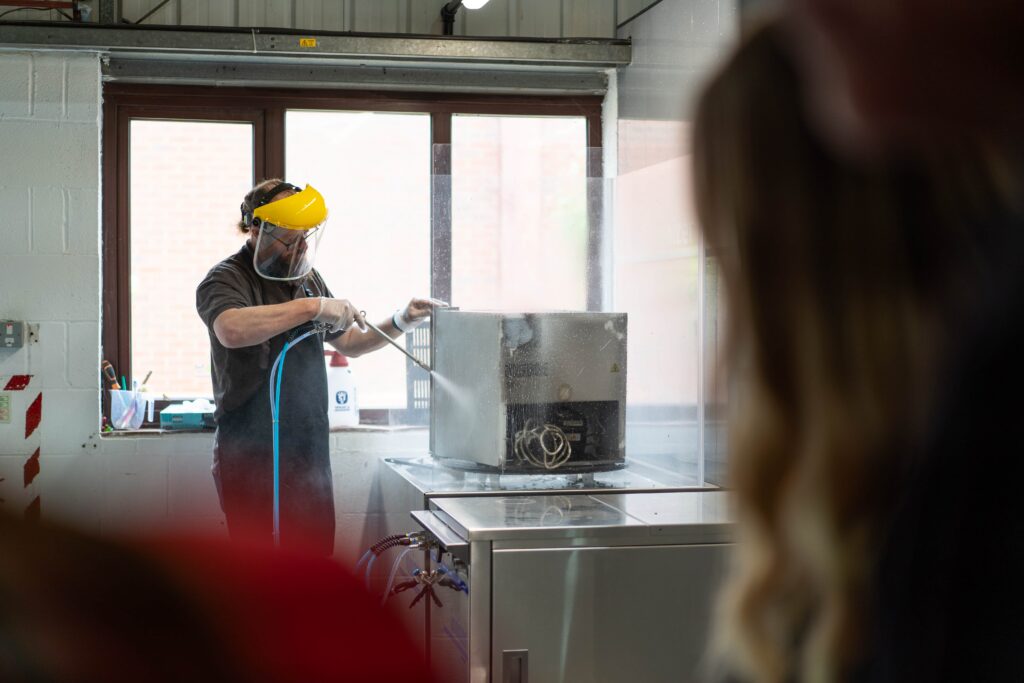
Soot and smoke contamination are treated methodically, room by room. We use HEPA air filtration systems and air scrubbers to clean the air within the property, and soot sponges and specialist cleaning agents to remove contamination from surfaces, walls, and structural materials. Odour removal is addressed using ozone treatment and specialist techniques that eliminate the source of the smell rather than masking it.
STEP FOUR
04.
Water Damage from Firefighting
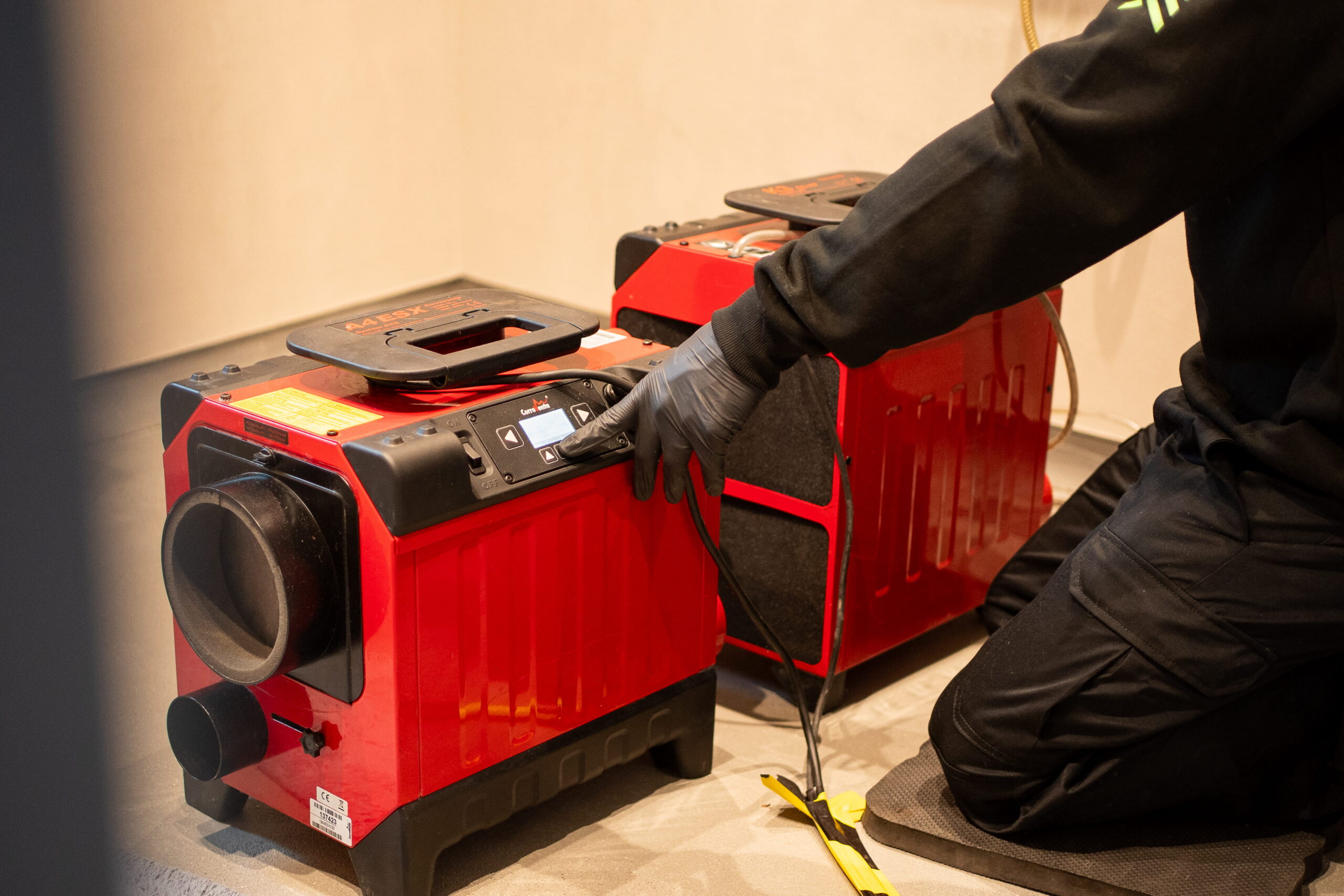
In most fire claims, water from firefighting creates a parallel water damage job. We manage both simultaneously. Where saturated materials need removing, drying equipment needs installing, or moisture readings need monitoring, our teams handle this as an integrated part of the fire restoration rather than as a separate instruction. We keep you informed throughout and coordinate all reporting to your claims handler.
STEP FIVE
05.
Restoration and Handover
Once the property has been cleaned, treated, and dried to pre-loss condition, we carry out a final inspection and produce a comprehensive report. Where reinstatement works are required, such as replastering, redecorating, or rebuilding damaged sections, we coordinate the handover to the relevant contractors. Restored contents are returned to your home once reinstatement is complete.
Why Speed Matters in Fire Claims
Every hour after a fire, secondary damage accumulates. Soot is acidic: within hours it begins to corrode metal surfaces, discolour plastics, and etch glass. Within days, the damage to contents and finishes that might have been reversible becomes permanent.
Smoke penetrates soft furnishings, clothing, and wall cavities quickly. What appears on the surface to be a localised incident is often much more extensive once a full assessment is carried out. This is why professional attendance as quickly as possible is so important, and why your claims handler prioritises getting Disaster Care to your property promptly.
Our IICRC certified technicians are trained specifically to recognise and respond to secondary fire damage, which is why IICRC Fire and Smoke Restoration Technician (FSRT) qualification is held by every branch in our network that handles fire claims.
Contact Us
Have Questions About the Fire Damage Restoration Process?
Fire Damage Restoration: Your Questions Answered
What should I do immediately after a fire in my home?
Contact your insurer as soon as it is safe to do so. Do not re-enter the property until the fire service has confirmed it is safe. Do not attempt to clean soot or smoke damage yourself, as incorrect cleaning can set staining permanently and make restoration harder. Once Aviva has logged your claim, Disaster Care will be in touch quickly to arrange an initial attendance.
Will my home smell of smoke throughout the restoration?
During the early stages of restoration, yes. Smoke and soot have penetrating odours that are difficult to eliminate quickly. Our teams use ozone treatment and specialist odour removal techniques that address the source of the smell rather than masking it. By the time restoration is complete, smoke odour should not be present. This process takes time and cannot be rushed without risking incomplete results.
My fire was in one room. Why do you need to assess the whole property?
Because smoke, soot, and fire suppressant water do not stay in one room. Soot particles travel through air systems and gaps in floors and walls. Water from firefighting follows structural routes that are often invisible on the surface. A fire that appears contained to a kitchen or single room has very often caused contamination and moisture damage throughout a wider area. A thorough assessment protects you from discovering further damage later in the claim.
Can my belongings be restored after a fire?
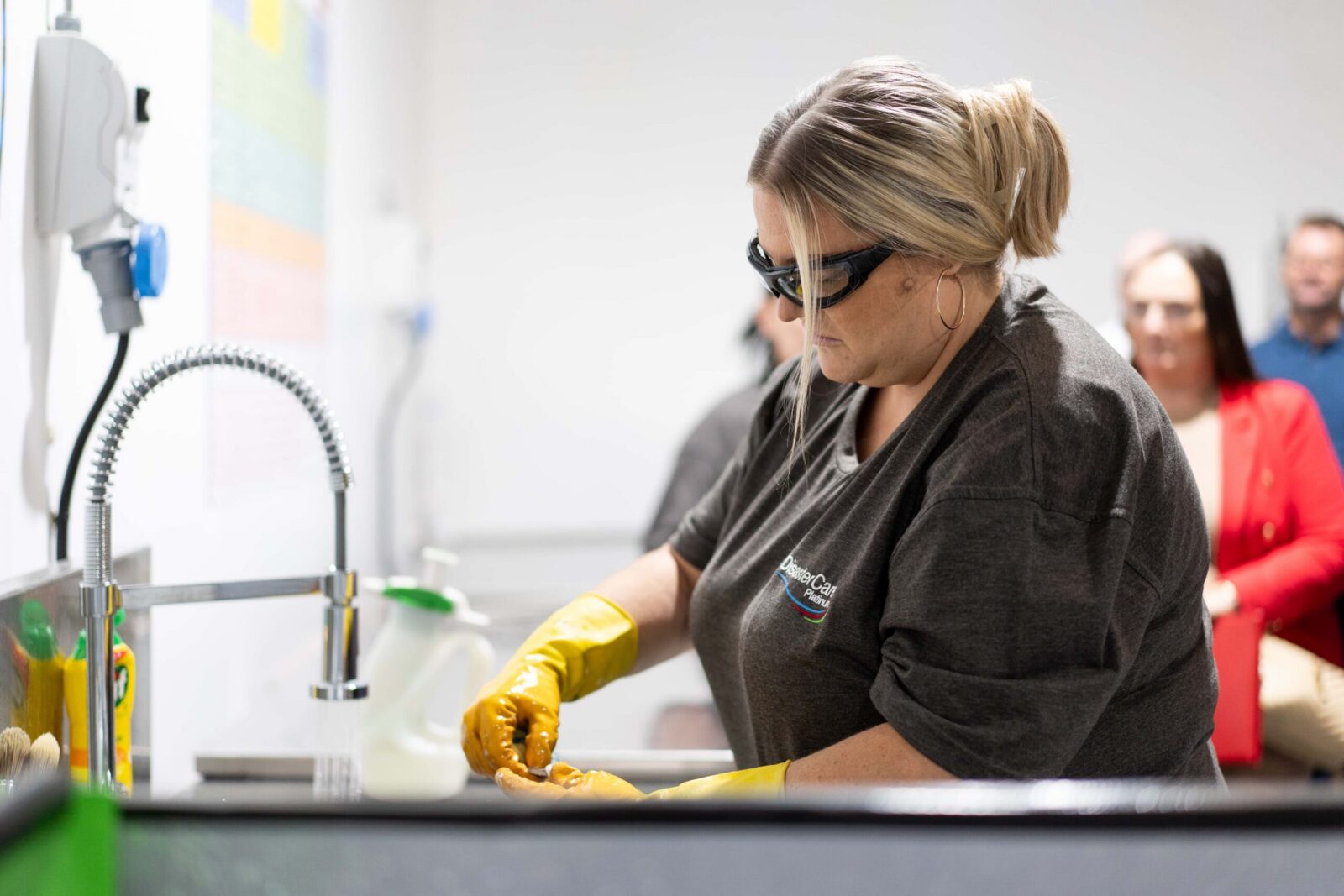
Many more than you might expect. Clothing, soft furnishings, hard contents, and electronics that appear badly affected by soot and smoke can often be successfully restored by our specialist contents teams using advanced cleaning equipment. Items that cannot be restored are clearly identified and documented for your insurer. Our approach is always to restore rather than replace wherever safely possible, which reduces disruption to you and indemnity costs for your insurer.
Will I need to leave my home during fire damage restoration?
In most fire damage claims, the property is not habitable during the initial restoration phase. Your claims handler will discuss alternative accommodation arrangements with you. We work as efficiently as possible to complete the restoration and return your home to you, and we keep you informed of progress throughout.
What is the difference between fire restoration and smoke damage restoration?
Fire restoration covers the full scope of recovery following a fire: structural stabilisation, soot and smoke cleaning, water damage from firefighting, contents recovery, and coordination of reinstatement works. Smoke damage restoration refers specifically to the cleaning and treatment of surfaces, contents, and air quality affected by smoke and soot, which can be extensive even in a fire where the flames themselves were contained. In practice, most fire claims require both, and we manage the full process as a single coordinated service.
Disaster Care contacted me the same evening the fire was reported to my insurer. David Gamble and his team arrived the next morning and began the clean-up. David was very reassuring and the team were marvellous. I have only praise for David and his team. Lovely people at such a traumatic time.”
Marion Wilson, Trustpilot
Get In Touch
Fire Damage Restoration Standards and Accreditations
Our fire damage restoration service is delivered to IICRC and BDMA standards. Every branch in our network that handles fire claims holds the IICRC Fire and Smoke Restoration Technician (FSRT) qualification, the industry standard for this discipline.
- IICRC Fire and Smoke Restoration Technician (FSRT): held by every branch in our network handling fire claims
- IICRC Odour Control Technician (OCT): specialist odour identification and elimination qualification
- IICRC Water Restoration Technician (WRT): for the water damage element present in most fire claims
- BDMA (British Damage Management Association) Restoration Technician certification
- CHAS and SafeContractor accredited: health and safety compliance across the network
Related Services
Water Damage Restoration
Contents Restoration
Specialist Cleaning Services