OUR SERVICES
Water Leak Detection
A hidden water leak can be one of the most frustrating and damaging things a homeowner faces. You may notice damp patches, rising water pressure issues, or unexplained damage to floors and walls, but the source of the problem is not visible. Left undetected, even a small leak can cause significant structural damage over weeks or months.
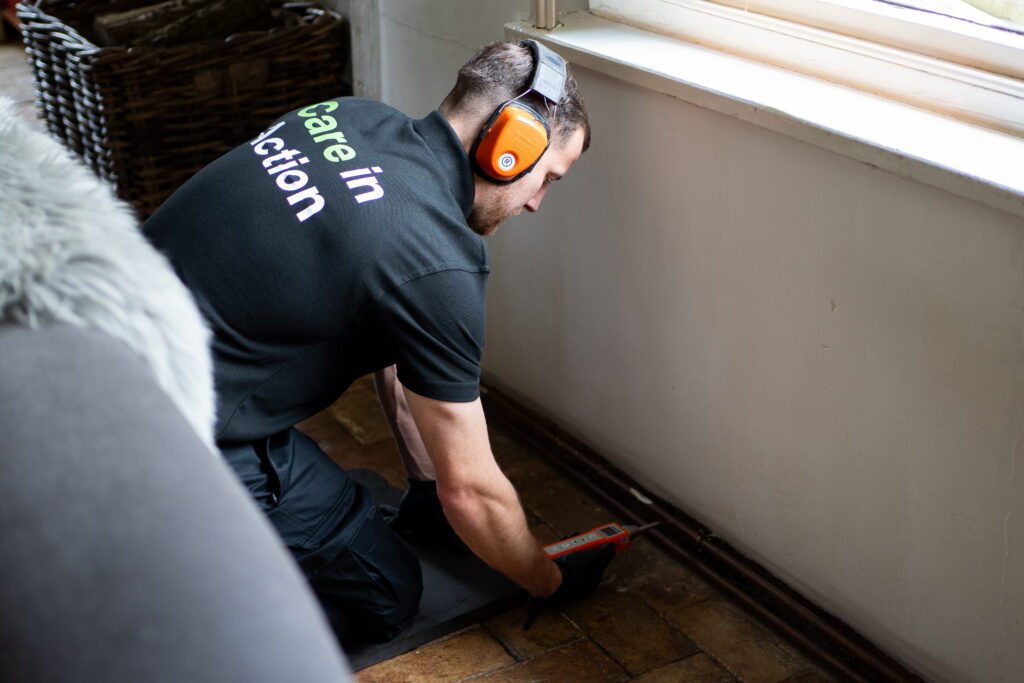
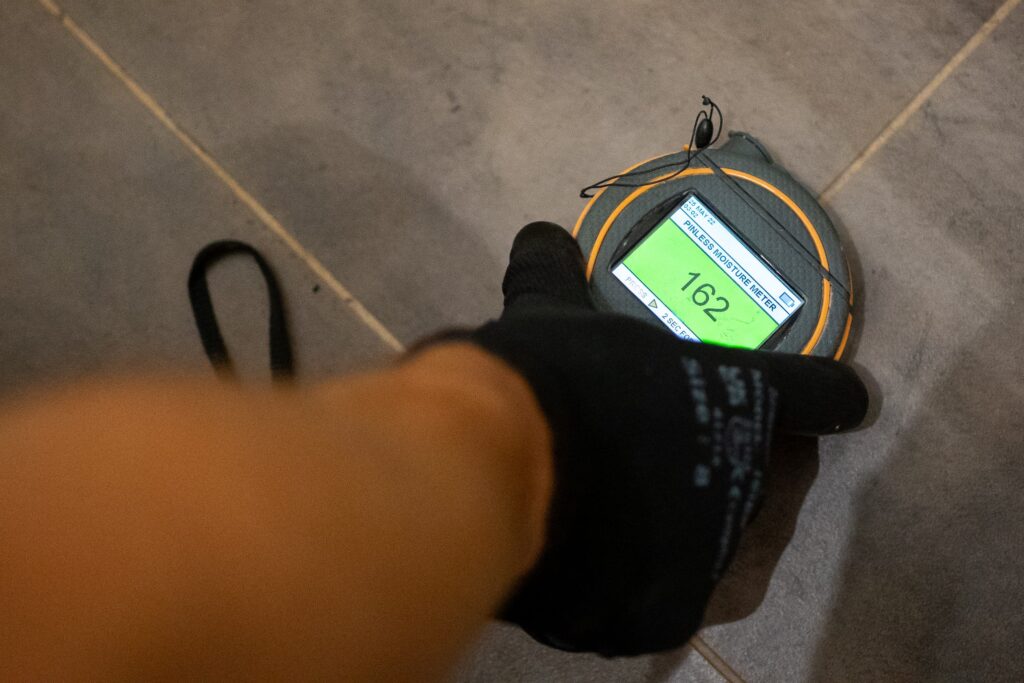
Disaster Care’s specialist water leak detection service uses advanced equipment to locate hidden leaks precisely, with minimal disruption to your home.
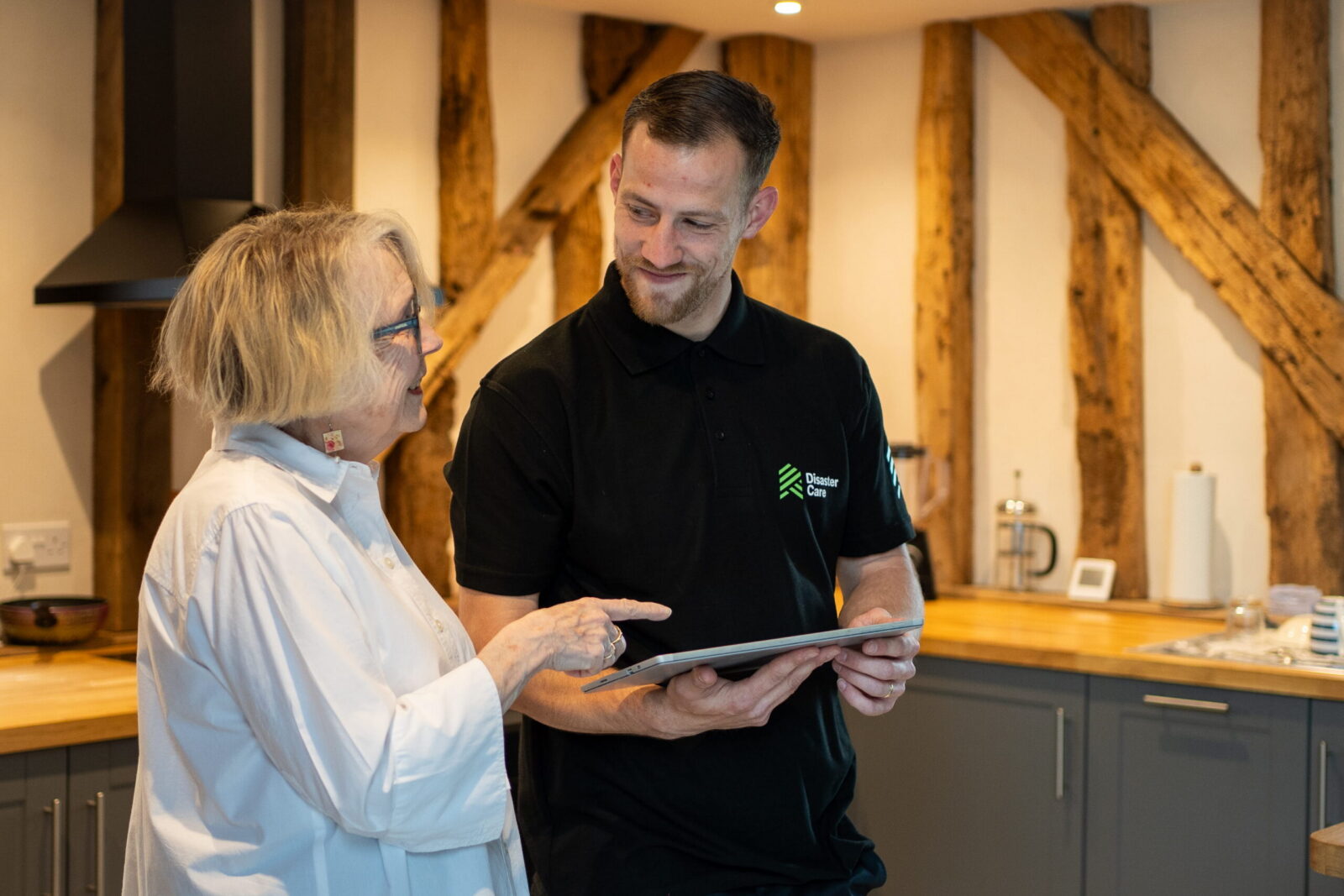
Our trained technicians work methodically and carefully, keeping you informed at every stage. Once the leak is found, we can coordinate the repair and, where water damage has already occurred, the restoration work that follows.
As a specialist disaster recovery partner, we are here not only to identify the problem but to manage the full recovery from it.
Contact Disaster Care to discuss your claim
How We Find Hidden Leaks
There is no single method that finds every type of leak. Our technicians are trained in a range of specialist detection techniques and select the approach, or combination of approaches, most appropriate for your property and the suspected location of the leak. The goal in every case is precision: finding exactly where the leak is, so that any subsequent repair work is as targeted and as unintrusive as possible.
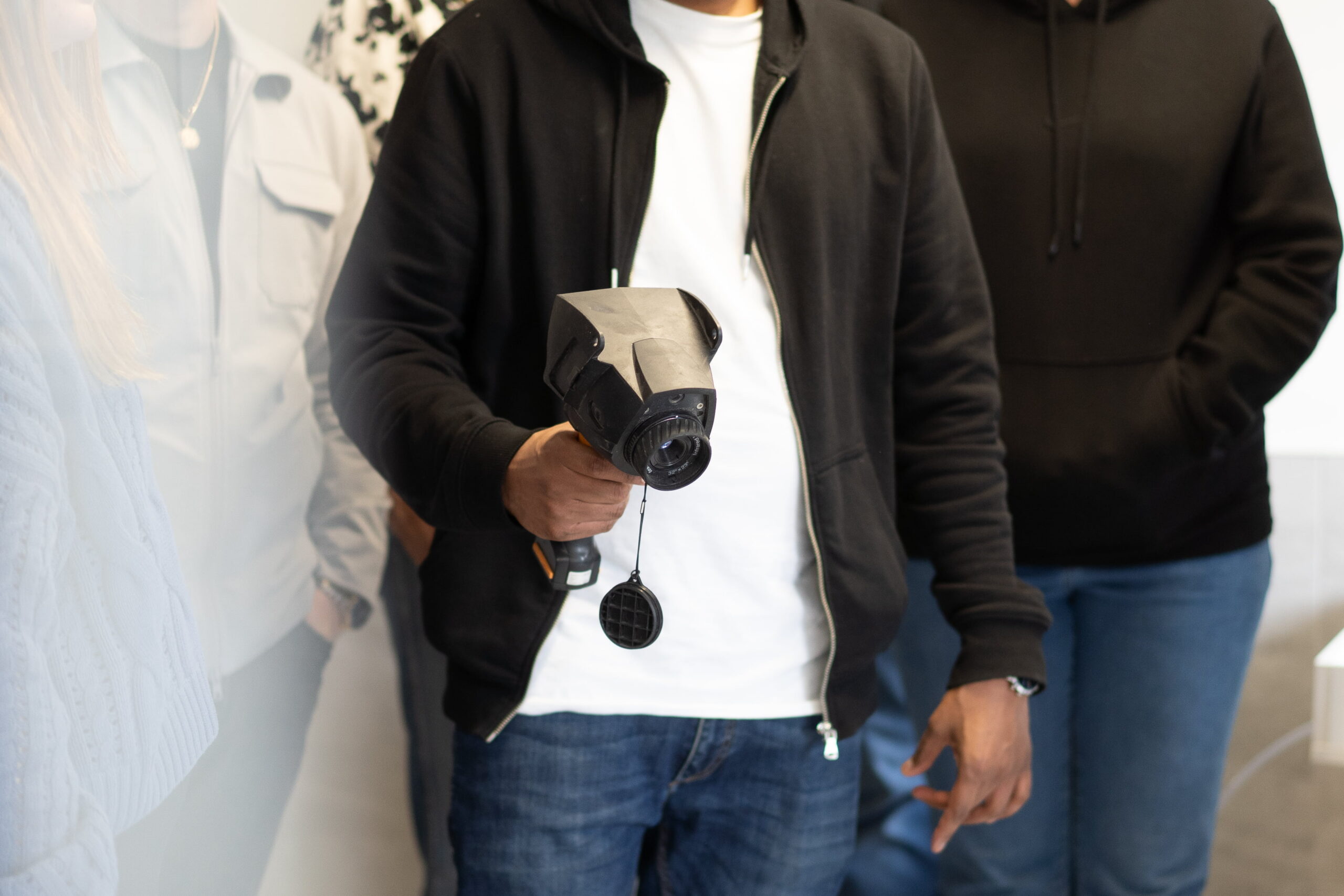
Thermal Imaging
Thermal imaging cameras detect temperature variations in walls, floors, and ceilings that indicate the presence of moisture. This is often the first step: a non-invasive scan that points our technicians toward the likely area of a leak before any more targeted work begins.
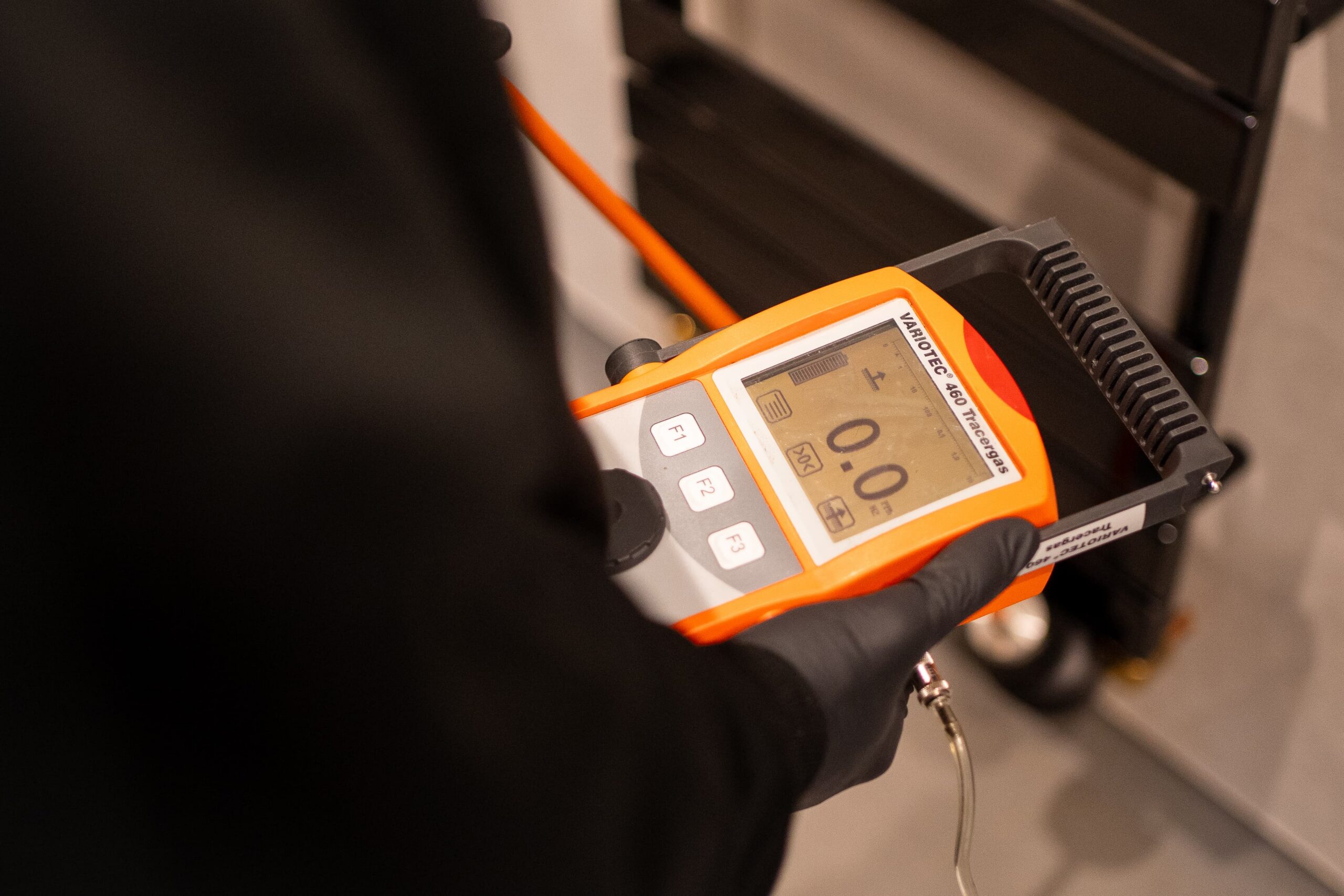
Tracer Gas Detection
Where acoustic and thermal methods cannot pinpoint a leak precisely, we introduce a safe tracer gas into the pipework. A sensitive detector identifies exactly where the gas is escaping, which is where the leak is. This method is particularly effective for leaks deep within a structure or beneath solid floors.

Acoustic Testing
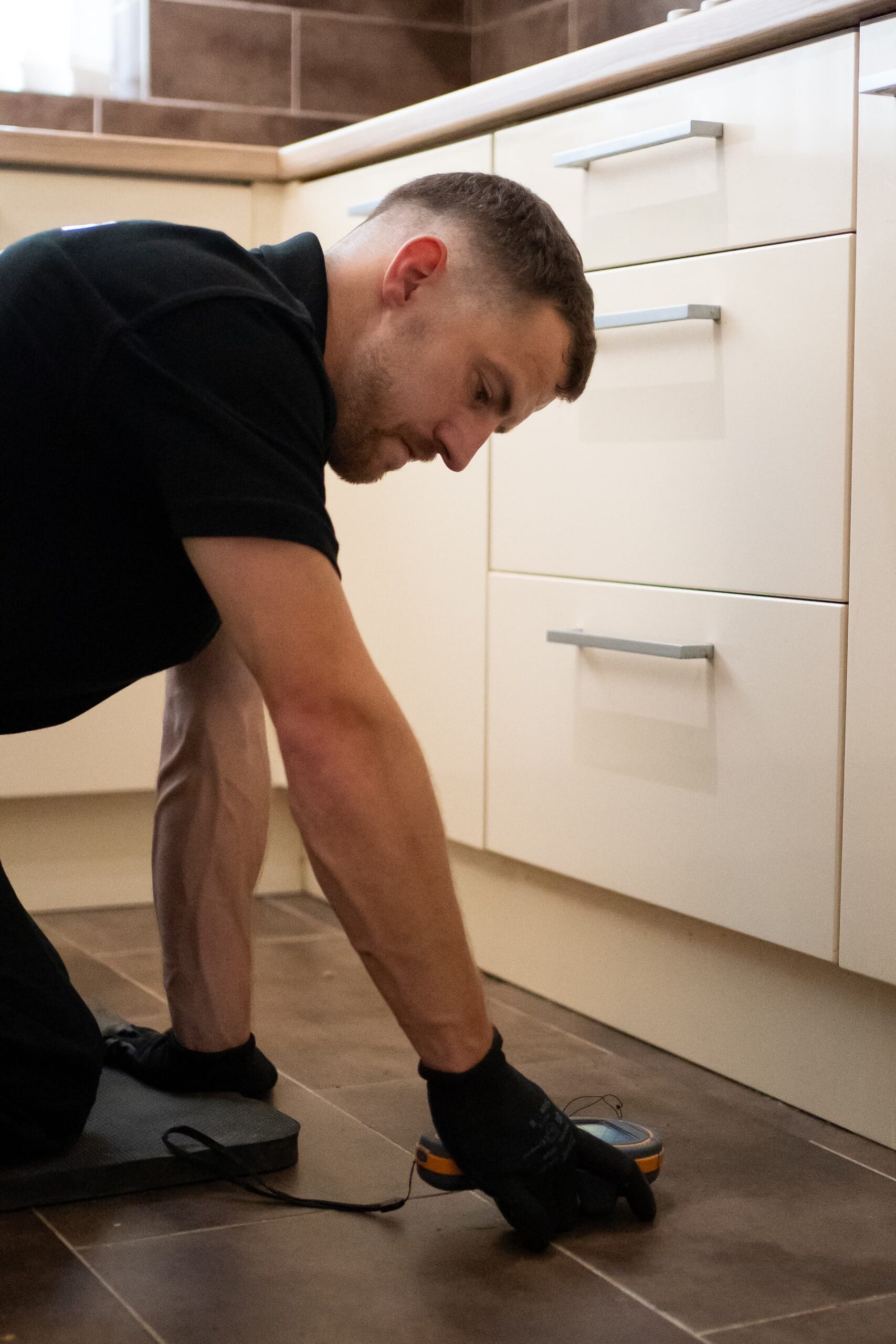
Acoustic listening equipment allows our technicians to hear the sound of water escaping from a pipe, even within walls and under floors. By listening at multiple points, we can triangulate the location of a leak to a precise area, reducing the need for exploratory investigation.
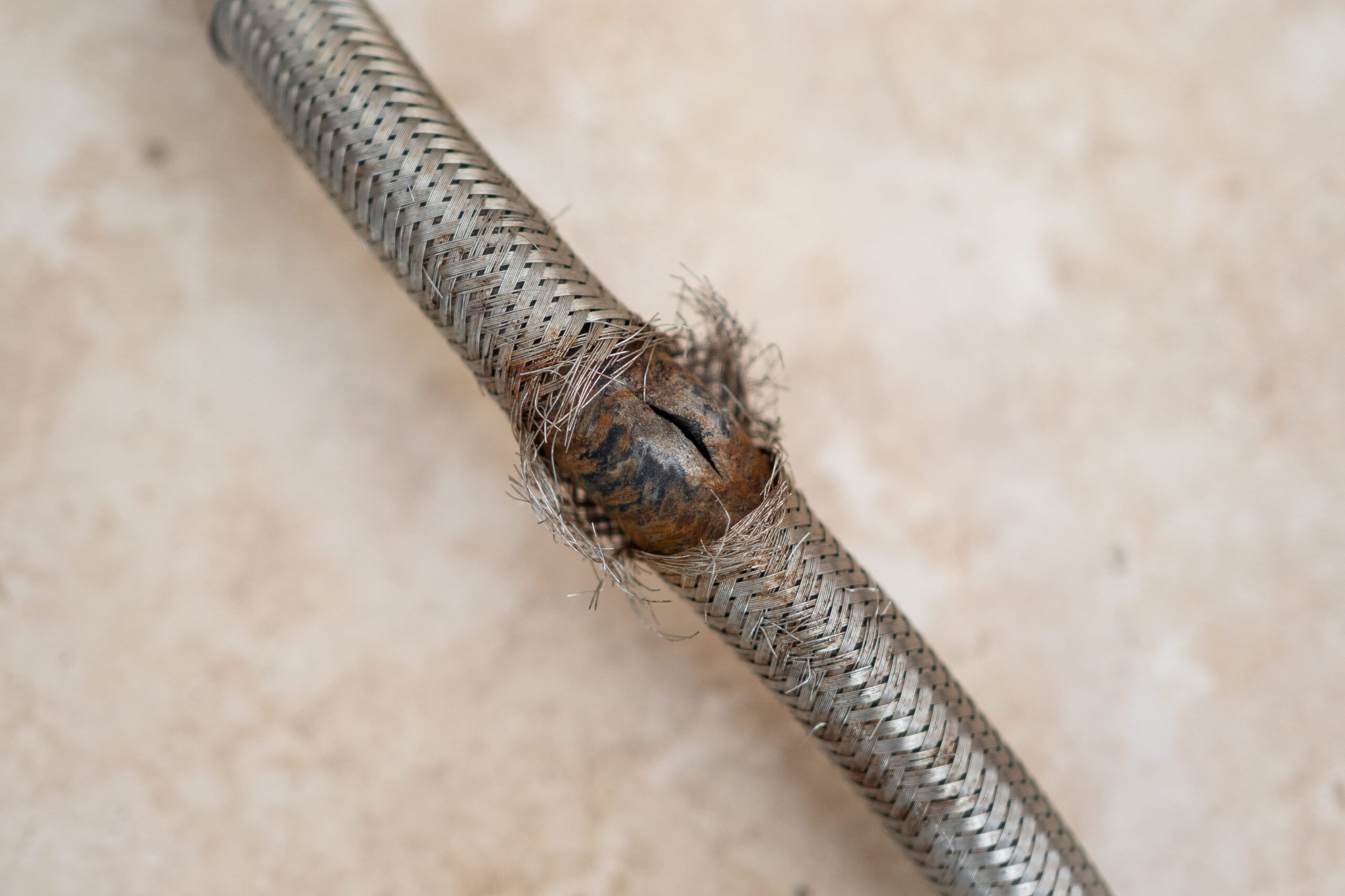
Borescope Inspection
A borescope is a small camera on a flexible cable that can be passed through a small access point into wall cavities, under floors, or behind fixtures to inspect pipework and identify damage without significant structural intrusion.
What Happens During a Leak Detection Visit?
Leak detection is the beginning of the recovery process, not a separate event from it. Finding the leak stops the damage from continuing. Fixing the leak makes repair possible. And where water damage has already occurred, the restoration work begins once the source is confirmed and addressed.
STEP ONE
01.
Initial Survey and Assessment
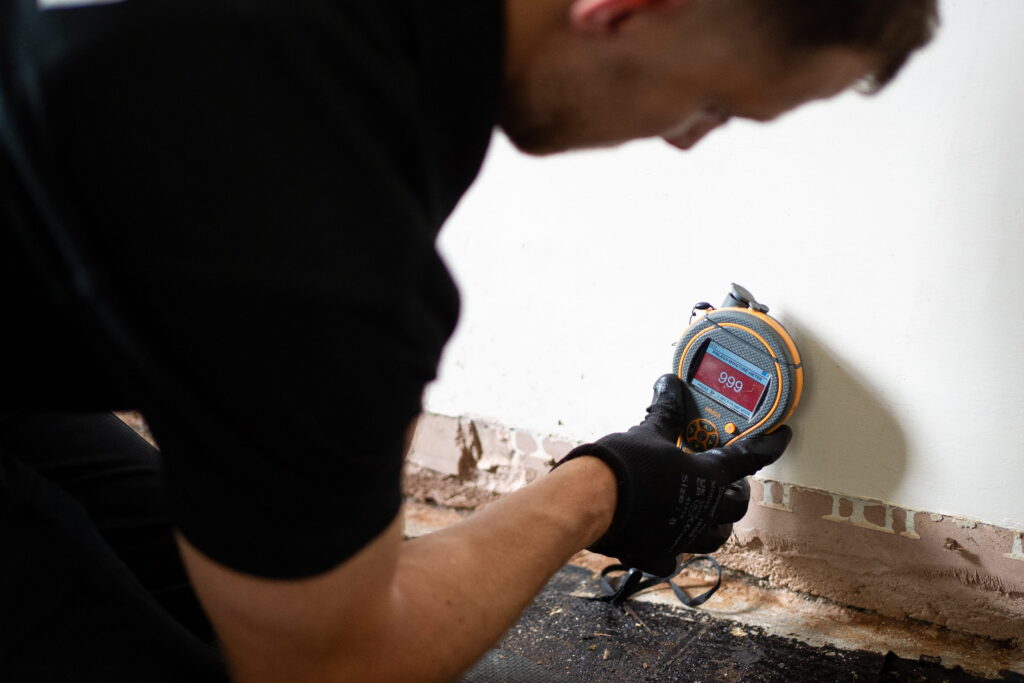
When our technician arrives, they begin with a full survey of the property, looking at visible signs of moisture, checking pressure in the water system, and listening to your description of what you have noticed. This initial assessment guides the selection of detection methods and helps narrow the search area before any specialist equipment is deployed.
STEP TWO
02.
Non-Invasive Detection
We begin with the least intrusive methods available: thermal imaging and acoustic testing. These are carried out without opening walls, lifting floors, or causing any disturbance to your home. In many cases, these methods are sufficient to locate the leak precisely. We will show you what we are finding as we work and explain what the readings mean.
STEP THREE
03.
Targeted Investigation Where Needed
Where non-invasive methods identify an area but cannot pinpoint the exact location, we use tracer gas or borescope inspection to narrow the search further. Any access required is kept to the minimum necessary. Where we do need to open a wall or floor to confirm a leak location, we explain what we are doing and why before we begin, and we discuss the repair implications with you.
STEP FOUR
04
Report, Repair, and Restoration
Once the leak is located, we produce a full report for your claims handler setting out the findings, the method used, and the recommended course of action. Where a repair is needed, we coordinate the appropriate contractor. Where water damage has already occurred from the leak, our water damage restoration team can be appointed to manage the drying and restoration work as a single coordinated service.
Speak To A Leak Detection Specialist
Why Finding the Leak First Matters
There is no point drying a building if the leak is still running. This is the fundamental principle behind our approach to water damage: find the leak, fix the leak, then restore the damage.
A slow leak that goes undetected can cause far more damage than an acute escape of water that is spotted quickly. Damp within walls and floors creates the conditions for mould growth, structural deterioration, and long-term damage to timber and plasterwork. Many homeowners are unaware that a leak has been running for weeks or months until the visible signs become significant.
Our technicians are trained to detect what is not visible. We have a target of placing a specialist leak detection technician in every branch across our network. Where a leak detection specialist is not immediately available in a branch, we have the capability to deploy the appropriate expertise from within the wider network.
Water Leak Detection: Your Questions Answered
What are the signs that I might have a hidden water leak?
Common indicators include unexplained damp patches on walls, ceilings, or floors; a drop in water pressure that you cannot explain; unusually high water bills; the sound of running water when no taps are on; and cold or warm areas on walls or floors that do not have an obvious cause. If you have noticed any of these, raising it with your Aviva claims handler is the right first step.
How much damage will the leak detection process cause to my home?
Our approach is designed to cause as little disruption as possible. We start with non-invasive methods, thermal imaging and acoustic testing, that require no drilling, cutting, or lifting of floors. Where targeted investigation is needed, any access is kept to the minimum required to confirm the leak location. We discuss what is needed with you before any work begins.
What happens after the leak is found?
We produce a report for your Aviva claims handler with the location of the leak, the detection method used, and the recommended repair. Where the repair is within our scope, we coordinate it. Where building work is required beyond our services, we provide the information needed for the appropriate contractor to be instructed. If water damage has occurred from the leak, we can continue as your water damage restoration team.
Is the tracer gas safe to use in my home?
Yes. The tracer gas we use is a mixture of hydrogen and nitrogen, which is non-toxic, non-flammable, and completely safe for use in domestic properties. It is the same type of gas used in many professional leak detection applications and does not pose any risk to occupants, pets, or the building.
Can you detect a leak under a concrete floor?
Yes. Tracer gas detection is particularly effective for leaks beneath solid floors, including concrete. The gas permeates through the structure and emerges at the point of the leak, which our detector identifies precisely. This means we can often locate a leak beneath a concrete floor without needing to break it up to find the pipe.
What is trace and access, and does my insurance policy cover it?
Trace and access is the insurance term for the process of finding a leak and gaining access to it for repair. It typically covers the cost of the detection work and any minor structural access required to locate the leak, such as opening a wall or lifting a section of floor. Whether it is covered depends on your specific policy. If you are unsure, speak to Aviva directly: their claims team can clarify what your policy includes.
Water Leak Detection: Standards and Training
- Manufacturer training on thermal imaging equipment across the network
- Manufacturer training on acoustic leak detection systems
- Tracer gas detection training: safe deployment and interpretation
- National Flood School: leak detection training course in development for all branches
- IICRC Water Restoration Technician (WRT): for the water damage restoration that follows leak detection
- CHAS and SafeContractor health and safety accreditation
Contact Us
Need Support With Water Leak Detection?
Related Services
Water Damage Restoration
Mould Removal and Remediation
Building Restoration and Reinstatement