OUR SERVICES
Specialist Cleaning Services
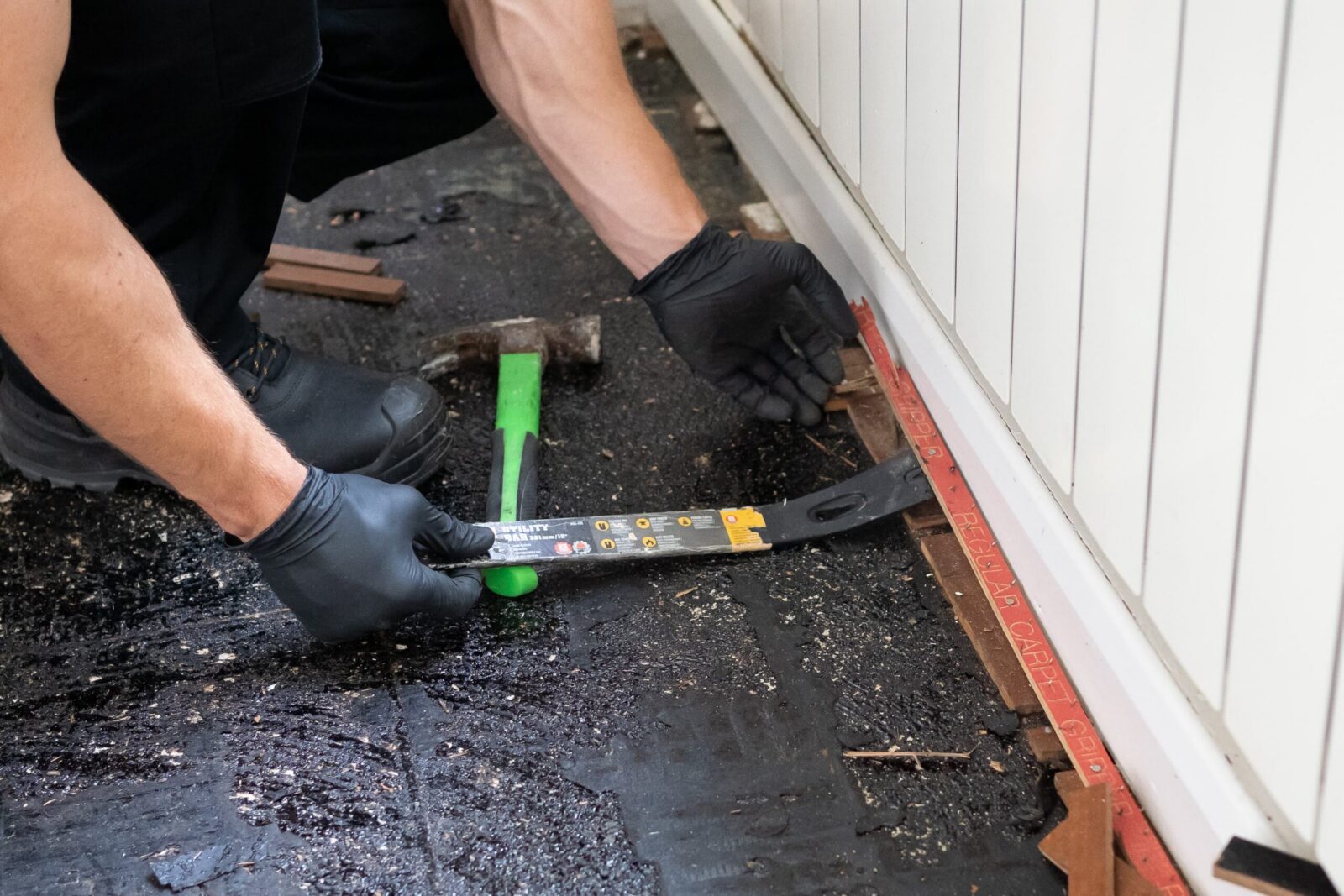
Some cleaning needs that arise from fire, flood, and property damage require specialist intervention that goes beyond standard restoration work. Disaster Care’s network includes branches with specialist cleaning capabilities for scenarios where contamination, odour, or hazardous material requires specific expertise, equipment, and processes.
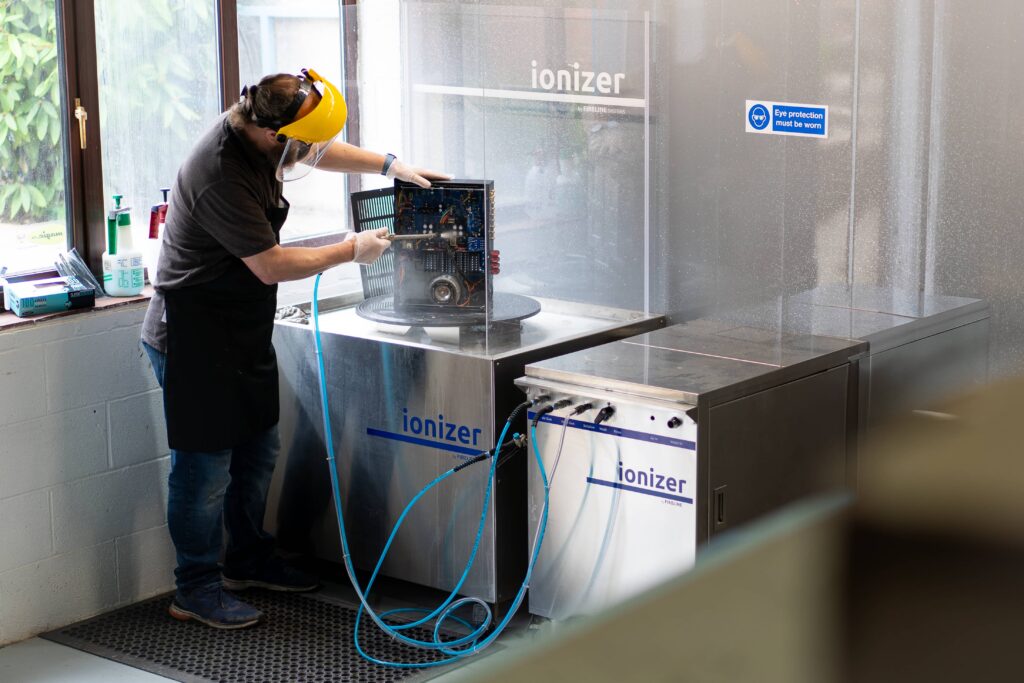
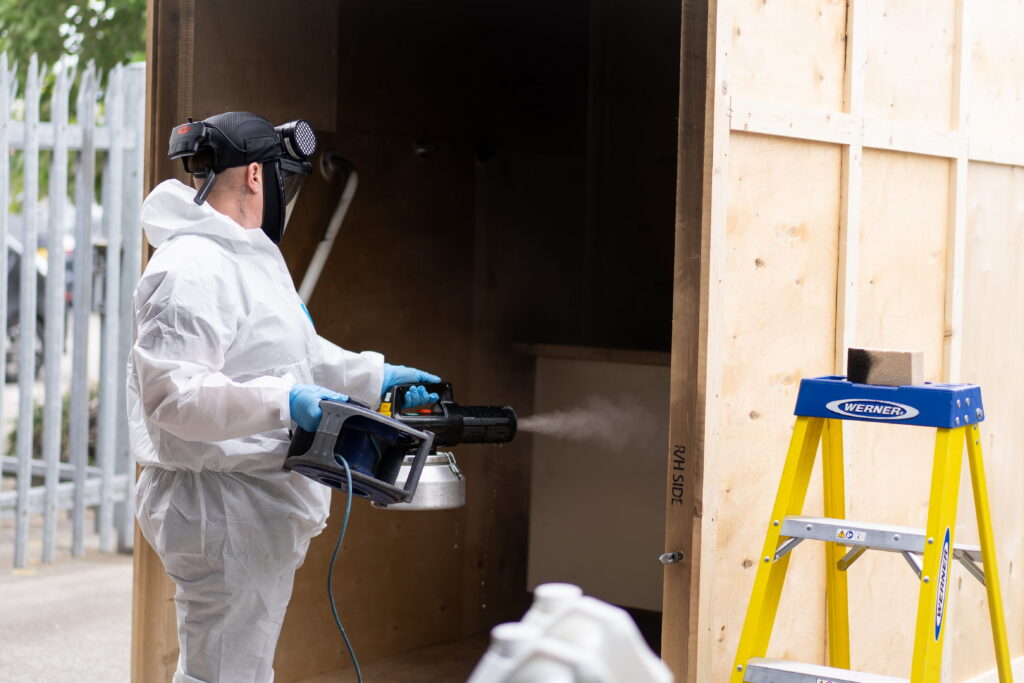
As a disaster recovery specialist, we are able to deploy the right specialist resource for each situation, whether that is odour treatment following fire or flood, decontamination following sewage contamination, or dry ice blasting for specialist surface cleaning. All specialist cleaning work is coordinated with your claims handler and carried out by trained technicians.
Contact Disaster Care to discuss your claim
Our Specialist Cleaning Capabilities
Odour Removal
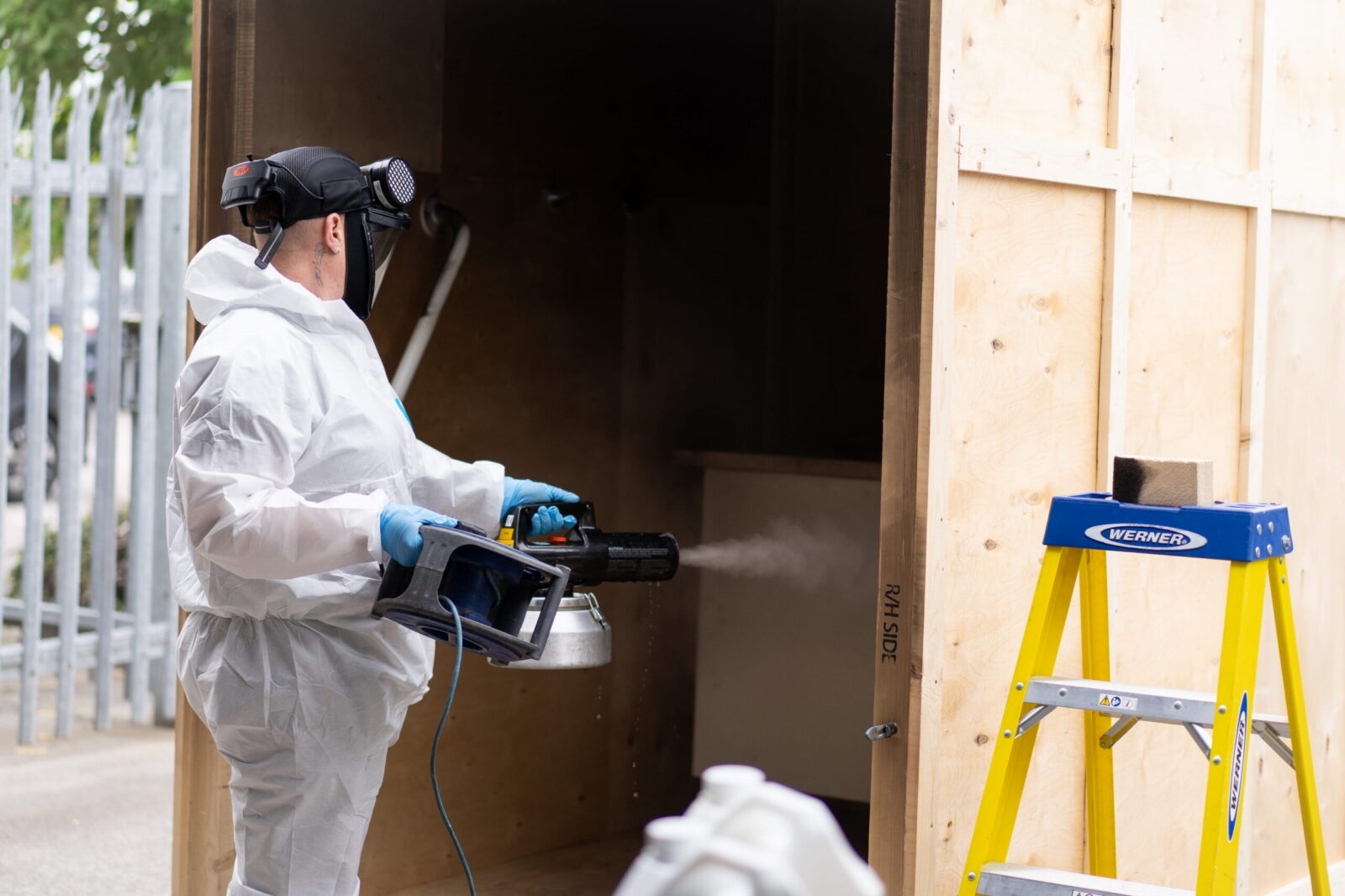
Odour following fire, flood, sewage contamination, or mould can persist even after the visible damage has been treated. Our teams address odour at source using ozone treatment and specialist techniques rather than masking it with fragrance. Ozone is particularly effective for penetrating soft furnishings, wall cavities, and areas where odour compounds have settled. The result is genuine removal rather than temporary suppression.
Biohazard Cleaning
Where a property has been affected by sewage backup, contaminated flood water, or other biohazardous material, standard cleaning methods are insufficient. Our specialist technicians carry out biohazard decontamination using appropriate protective equipment and specialist cleaning agents, ensuring the property is safe for reoccupation. All waste is disposed of in compliance with relevant regulations.
Disinfection Services
Following flood events, sewage contamination, or any incident involving bacteria or pathogen risk, specialist disinfection may be required before restoration work can proceed safely. Our technicians carry out thorough disinfection of affected areas as part of the wider restoration process, documented and reported to your claims handler.
Dry Ice Blasting
Dry ice blasting is a specialist surface cleaning technique that uses compressed CO2 pellets to remove soot, smoke residue, contamination, and other deposits from surfaces without the use of water or chemical solvents. It is particularly effective for structural surfaces, machinery, and areas where wet cleaning methods would cause secondary damage. Available through selected branches in our network.
High-Level Cleaning
Where fire or smoke damage has reached ceiling voids, high structures, or areas requiring working at height, specialist high-level cleaning may be required. Available through selected branches with the appropriate equipment and safe working at height certification.
How Specialist Cleaning Works
Specialist cleaning is typically coordinated as part of a wider restoration claim rather than as a standalone service. Our central team identifies the specialist cleaning requirement during the initial assessment and deploys the appropriate branch capability. Where a specific specialist service is needed that is not available from the attending branch, we coordinate deployment from the appropriate specialist within our network.
STEP ONE
01.
Assessment and Specialist Identification
The attending technician identifies the specialist cleaning requirement during the initial property assessment. This may be odour treatment, biohazard decontamination, or a specialist surface cleaning need. The requirement is reported to the central coordination team and the appropriate specialist resource is identified.
STEP TWO
02.
Authorisation and Planning
Specialist cleaning work is authorised by your claims handler before it begins. We provide a clear scope of the work required and the method to be used. Safety planning is completed before any hazardous or specialist work commences.
STEP THREE
03.
Specialist Cleaning Carried Out
The specialist cleaning is carried out by trained technicians using the appropriate equipment and materials for the specific requirement. All work is documented, with photographs taken before and after. Waste and contaminated materials are disposed of in compliance with relevant regulations.
STEP FOUR
04.
Clearance and Handover
Once specialist cleaning is complete, the area is cleared and confirmed safe for the next phase of restoration work to proceed. A report is produced for your claims handler. Where testing is required to confirm clearance, this is arranged and results documented before sign-off.
Have Questions About Your Specialist Cleaning?
Specialist Cleaning: Your Questions Answered
What is ozone treatment and is it safe?
Ozone treatment uses ozone gas to oxidise odour compounds at a molecular level, eliminating them rather than masking them with fragrance. It is safe when used by trained technicians in a controlled and ventilated process: the property is not occupied during treatment, and normal access is restored once the ozone has dissipated. It is one of the most effective methods available for persistent odour following fire, flood, and mould events.
What happens if my property has been affected by sewage?
Sewage contamination requires specialist biohazard decontamination before restoration work can proceed safely. Our technicians carry out thorough decontamination of all affected areas using appropriate protective equipment and specialist cleaning agents. All contaminated materials and waste are disposed of in compliance with relevant regulations. The property is confirmed safe before any further work begins.
Is dry ice blasting safe for use in a residential property?
Yes. Dry ice blasting uses compressed CO2 pellets which are non-toxic, leave no chemical residue, and do not produce secondary waste. It is safe for use in domestic properties and is particularly useful where water-based cleaning methods would cause additional damage to sensitive surfaces or materials. It is carried out by trained technicians with appropriate equipment.
Will specialist cleaning disrupt my household?
Depending on the nature of the work, some specialist cleaning requires the property or specific areas to be vacated during the process. Ozone treatment, for example, requires the treated area to be cleared. Your Aviva claims handler will discuss any access or occupancy implications with you before work begins. We aim to minimise disruption throughout.
How do I know which specialist cleaning my property needs?
You do not need to determine this yourself. Our technicians assess the specific requirements during the initial property assessment and advise on what is needed. The scope is agreed with your Aviva claims handler before any specialist cleaning begins. If you have a specific concern, raise it with our technician when they attend and they will assess it.
Is specialist cleaning covered by my Aviva insurance?
Coverage depends on your specific policy and the nature of the damage. Your claims handler can confirm what is covered under your policy. All specialist cleaning work we carry out is done so on the instruction and authorisation of your claims handler, so you will not be asked to commit to work without insurer approval.
Specialist Cleaning: Standards and Qualifications
Specialist cleaning work is carried out by trained technicians holding appropriate qualifications and working to documented processes. All waste disposal is compliant with relevant environmental and safety regulations.
- IICRC Applied Microbial Restoration Technician (AMRT): for biohazard and decontamination work
- IICRC Odour Control Technician (OCT): for specialist odour removal and treatment
- Safe working at height certification for high-level cleaning: selected branches
- Hazardous waste disposal compliance: all biohazard and contaminated materials
- CHAS and SafeContractor health and safety accreditation
Related Services
Fire Damage Restoration
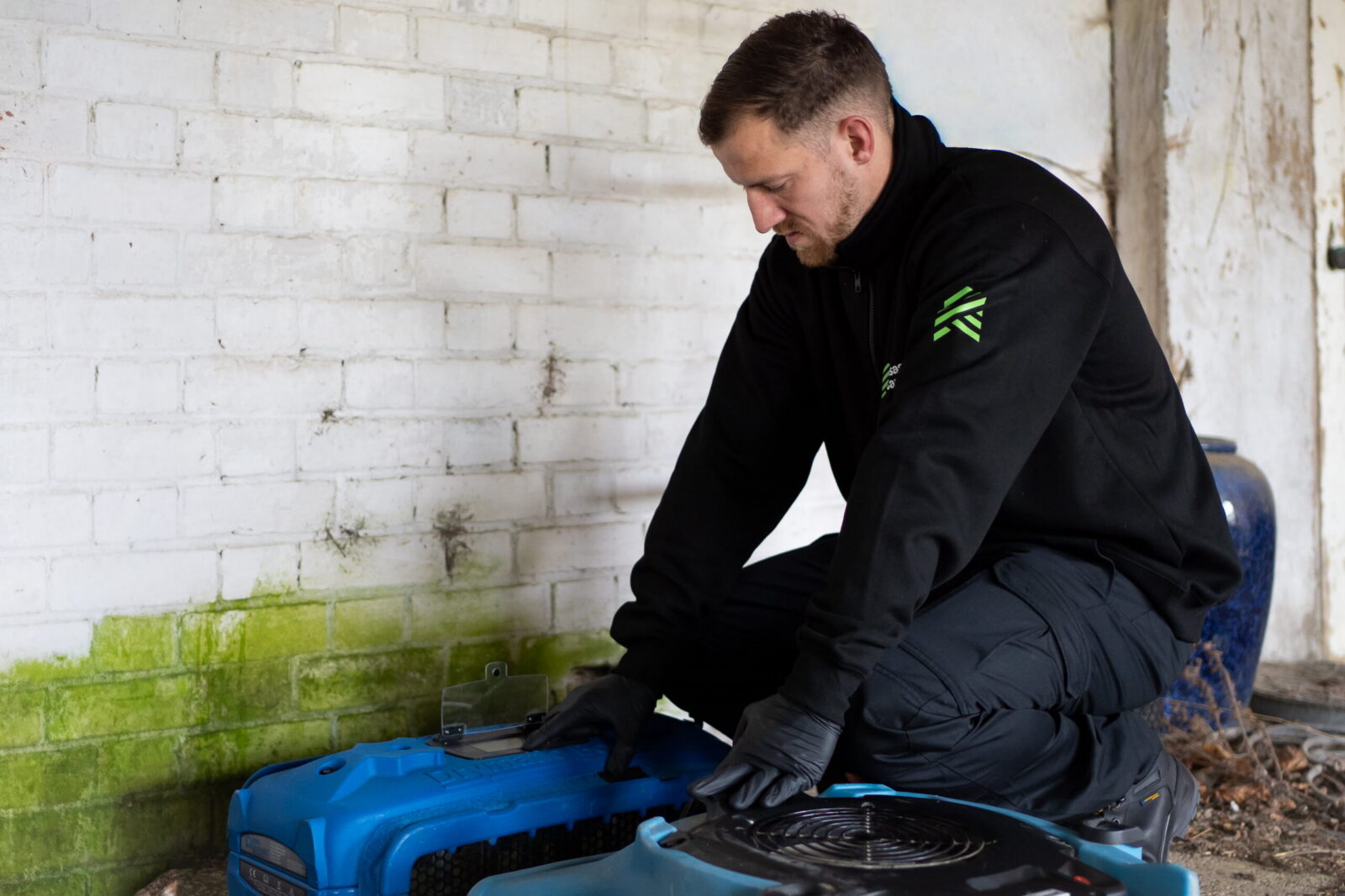
Mould Removal and Remediation
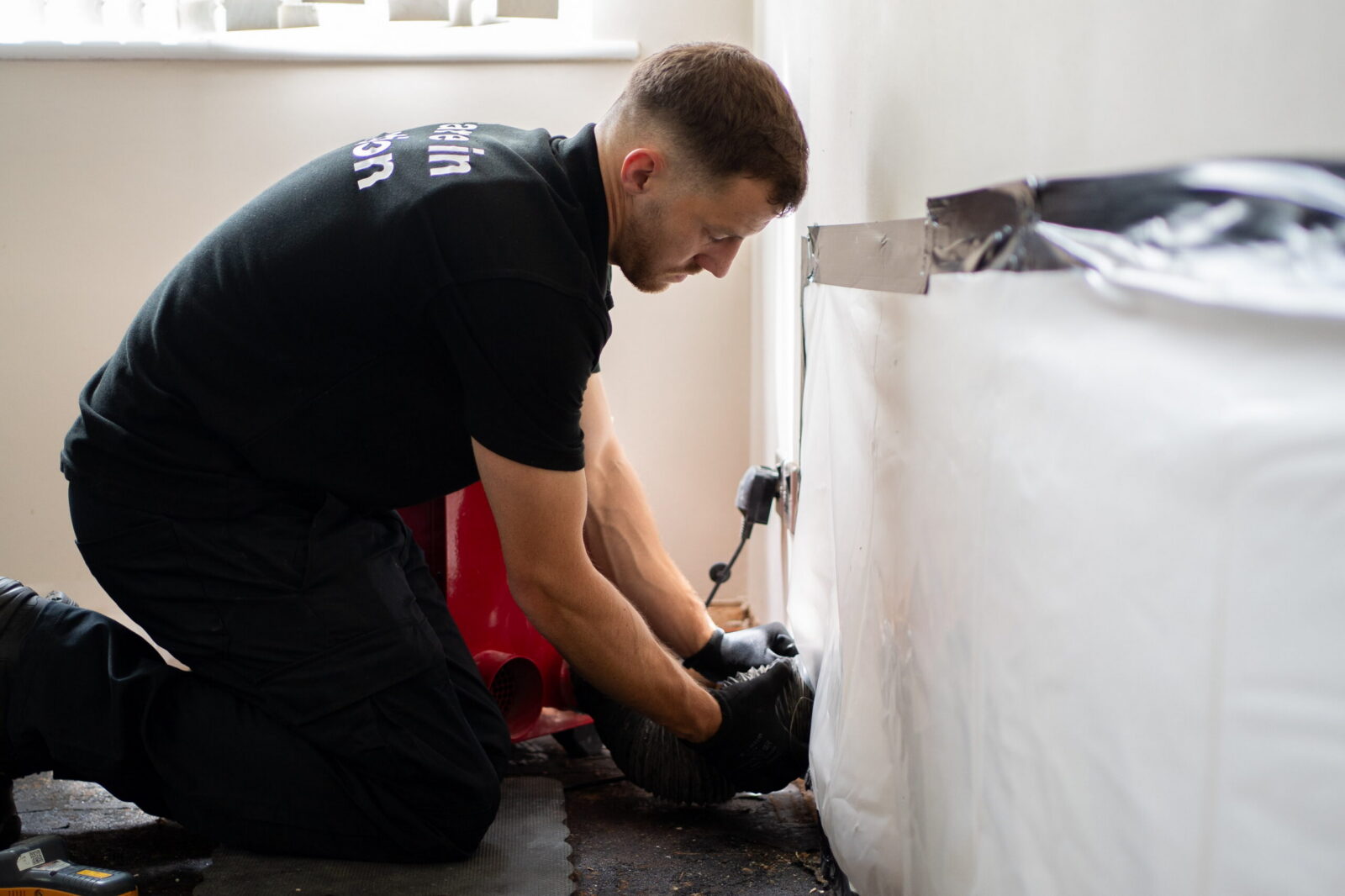
Water Damage Restoration